The Ultimate Guide to Metal Roofing Closure: Expert Tips & Installation
When planning a metal roof installation, the devil is often in the details, and one of the most critical details is the closure. A metal roofing closure system is the final layer of defense that seals the edges of your roof, preventing water, wind, and pests from infiltrating your building envelope. While panels and underlayment get most of the attention, a high-quality closure—including caps, boots, and seals—is what ensures your investment stands the test of time.
The Anatomy of a Metal Roof Closure
Understanding the components of a closure system is essential for making informed decisions. These products are engineered for specific applications, and using the wrong type can lead to premature failure. A professional installation will always match the closure material and style to the panel profile and environmental conditions.
Edge and Termination Metal
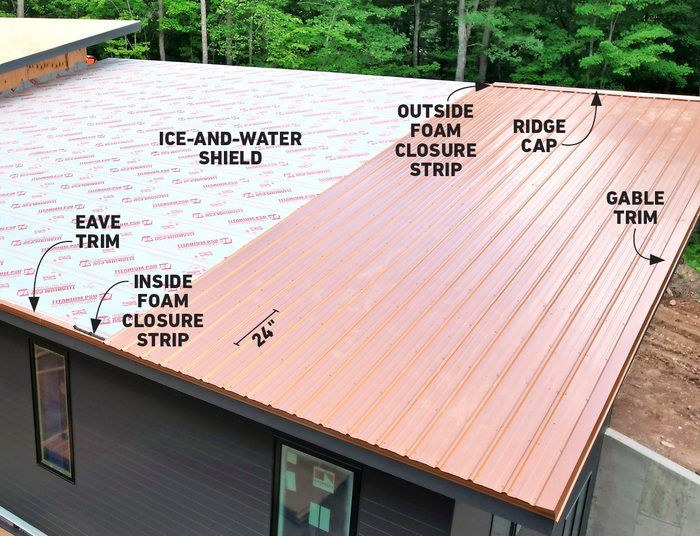
Edge metal runs along the sides and edges of the roof, providing a clean boundary for panels to rest against. Termination metal, on the other hand, is used at the horizontal seams where panels meet at a roof valley or along a parapet wall. Both components are typically L-shaped to lock under the roofing panels and create a watertight channel for runoff.


Panel Caps and Cover Strips
To secure the longitudinal seams where panels overlap, a metal roofing cap or cover strip is essential. These caps sit directly over the overlapping ribs of the panels, forming a rigid channel that directs water into the roof structure below. They also prevent the panels from lifting during high wind events, acting as a mechanical fastener that doesn't compromise the integrity of the roofing membrane.
Why Closure Quality Impacts Longevity
Selecting the wrong closure can lead to leaks that are difficult to trace. Because metal roofs are often installed over existing structures, any moisture intrusion at the edges or seams can lead to rot, mold, and structural damage that remains hidden for years. Investing in premium closure materials protects the underlying sheathing and insulation, preserving the structural integrity of the entire building.


- Weather Resistance: Proper closures keep driving rain and snow melt out, even in severe storms.
- Thermal Performance: Sealed edges reduce air infiltration, helping to maintain consistent interior temperatures.
- Pest Control: Sealed openings prevent rodents, birds, and insects from nesting in the concealed spaces of your roof.
- Fire Resistance: Many metal closure products are tested for fire resistance, adding an extra layer of safety.
- UV Stability: Quality materials resist degradation from prolonged sun exposure.
Material Compatibility and Color Matching
Closure components are available in steel, aluminum, and stainless steel. The choice depends largely on the environment. For coastal regions with high salt content in the air, 316 marine-grade stainless steel is recommended to prevent corrosion. In standard environments, painted steel or aluminum closures offer a cost-effective solution without sacrificing durability. Furthermore, most manufacturers offer color-matching options to ensure the closure blends seamlessly with the main roofing panels, maintaining a cohesive aesthetic.
Installation Best Practices
Even the best metal roofing closure system will fail if installed incorrectly. Proper airflow is a crucial consideration; closure materials should never completely seal the underside of the roof deck without adequate ventilation. Fasteners should be driven into the structural framing, and sealant should be applied at joints to prevent "sweating" or condensation buildup. Following the manufacturer’s guidelines for overlap and screw spacing is non-negotiable for warranty compliance.
Commercial vs. Residential Applications
While the basic principles remain the same, the scale and complexity differ significantly between commercial and residential projects. Residential closures often focus on aesthetic appeal and standard pitch angles. In commercial roofing, however, closures must accommodate larger panel widths, higher snow loads, and complex roof penetrations for HVAC equipment. Industrial-grade drip edges and specialized parapet cap systems are standard in commercial settings to handle greater thermal movement and weather severity.


| Application | Key Closure Components | Primary Consideration |
|---|---|---|
| Residential | Edge metal, panel caps, boot flashings | Aesthetics and standard pitch angles |
| Commercial | Parapet caps, large drip edges, specialized terminations | Structural load and complex penetrations |


Related Articles

Durable Metal Roofing Accessories Guide: Top Picks & Installation Tips
Metal roofing accessories form the critical, often invisible, infrastructure that transforms a simple metal roof from a durable sheet into a fully functional...

Metal Roofing Directly on Plywood: The Ultimate DIY Installation Guide
Installing a metal roof directly over plywood sheathing is a popular and practical choice for many homeowners and builders. This method, often referred to as...

The Ultimate Fern Growers Manual: Expert Tips & Care Guide
The moist, cool air beneath the canopy of a rainforest hints at the ideal conditions for fern growth. As indoor garden enthusiasts and plant parents turn their...

What Gauge Is Metal Roofing: Ultimate Gauge Guide
When evaluating metal roofing for your next construction or renovation project, the first technical specification you will encounter is the gauge...

Master Rib Metal Roofing: The Ultimate Guide to Durable & Stylish Metal Roofs
Master rib metal roofing represents the evolution of architectural protection, transforming a simple protective layer into a statement of durability and...

The Ultimate Guide to Metal Roof Closure Strips: Durability & Weatherproof Solutions
When sealing a metal roof, the metal roof closure strip is often the single most overlooked component, yet it plays a critical role in the longevity and...