Metal Roofing Directly on Plywood: The Ultimate DIY Installation Guide
Installing a metal roof directly over plywood sheathing is a popular and practical choice for many homeowners and builders. This method, often referred to as "roofing over shingles" or "overlay," involves securing new metal panels directly onto an existing plywood deck. It offers a streamlined approach to roofing projects, saving time on tear-off and disposal while providing a durable, long-lasting protective layer.
Understanding the Plywood Deck
The plywood substrate serves as the foundational surface for your metal roof, making its condition absolutely critical. For a metal roof installation directly over plywood, the sheathing must be structurally sound, free from significant rot, soft spots, or water damage. The panels are typically attached to the plywood using fasteners that drive through the metal and into the wood, so the integrity of this substrate is what holds everything together. Inspect the existing surface carefully; any compromised sections need to be replaced before the new roof can be applied.
Advantages of a Direct Installation
Choosing to install metal roofing directly on plywood offers several compelling benefits that contribute to its popularity. The most immediate advantage is the significant reduction in labor and disposal costs associated with completely removing the old roof covering. By layering the new material on top, the project timeline is shortened considerably. Furthermore, this method adds an extra layer of insulation and an additional weather barrier, enhancing the overall energy efficiency and protection of the home.


Key Considerations for a Successful Overlay
While the direct installation method is effective, it requires careful planning and specific techniques to ensure longevity and performance. The existing roof surface must be meticulously clean, and any protrusions like old nails or staples must be addressed to prevent punctures in the new metal panels. Proper underlayment is not just recommended but essential; a high-quality synthetic underlayment provides a crucial slip barrier and protects the building envelope from any moisture that might bypass the metal panels.
- Verify the structural integrity of the plywood sheathing.
- Ensure the existing roof is free from significant sagging or movement.
- Check local building codes for any restrictions on overlay methods.
- Confirm that the new metal panels will properly cover the fasteners from the old roof.
Addressing Fastener Alignment
A common challenge when installing metal roofing over plywood is aligning the new fasteners with the underlying structure. The old roof deck may have fasteners in different locations, and the new metal panels must be secured into the sheathing, not just the old underlayment. This often requires careful measurement and marking to ensure that screws hit the solid wood beneath. Using a chalk line to mark reference lines can be immensely helpful in maintaining consistent and secure attachment points across the entire roof surface.


The Critical Role of Underlayment
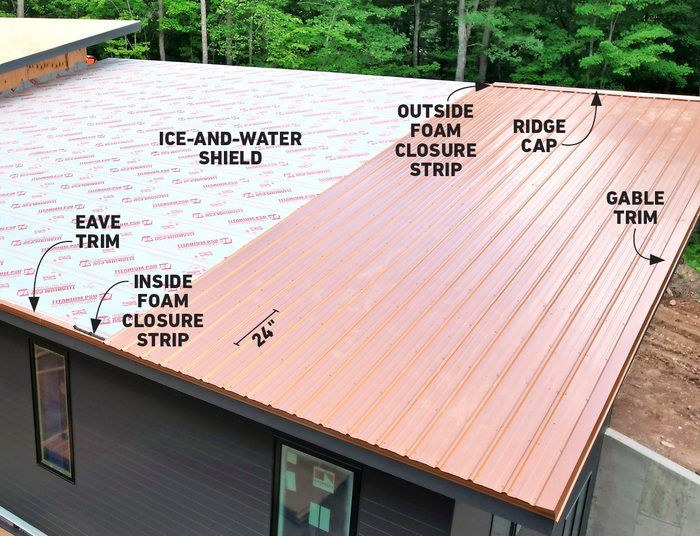
Underlayment is the unsung hero of a roof installation, and its importance is amplified during a direct-over installation. A premium synthetic underlayment provides a moisture barrier that protects the plywood from potential leaks that could occur around the new fasteners or through old nail pops. It also acts as a noise dampener, reducing the common metallic "drumming" sound that can be associated with metal roofs, and it allows the roof to breathe, managing vapor movement to prevent condensation buildup within the roof assembly.
Evaluating Compatibility and Code Compliance
Before starting a project involving metal roofing over plywood, it is vital to consult local building codes and regulations. Some jurisdictions have specific requirements or restrictions regarding roof layering, fire ratings, and allowable roof pitch for such installations. Ensuring that your chosen metal roofing material is compatible with the existing structure and that the entire system meets current standards is essential for both safety and warranty validity. Consulting with a local roofing professional can provide clarity and peace of mind for your specific project.


Related Articles

Durable Metal Roofing Accessories Guide: Top Picks & Installation Tips
Metal roofing accessories form the critical, often invisible, infrastructure that transforms a simple metal roof from a durable sheet into a fully functional...

What Gauge Is Metal Roofing: Ultimate Gauge Guide
When evaluating metal roofing for your next construction or renovation project, the first technical specification you will encounter is the gauge...

Master Rib Metal Roofing: The Ultimate Guide to Durable & Stylish Metal Roofs
Master rib metal roofing represents the evolution of architectural protection, transforming a simple protective layer into a statement of durability and...

Installing Metal Roofing Over Plywood: Step-by-Step Guide
Installing metal roofing over plywood is a practical and increasingly popular choice for homeowners and contractors looking to upgrade an existing roof without...

"Mastering Your Move: The Ultimate Guide to Door Switch Installation"
Embarking on a home improvement project often starts at the front door. Not only does it set the tone for your home's curb appeal, but a problematic front door...

Elevate Ceilings: The Ultimate Guide to Bead Board installation
Transforming ceilings from bland to brilliant, bead board has emerged as astandout choice for homeowners seeking to add charm and character to their spaces...