Wide Plank Hardwood Flooring Problems: Causes & Fixes
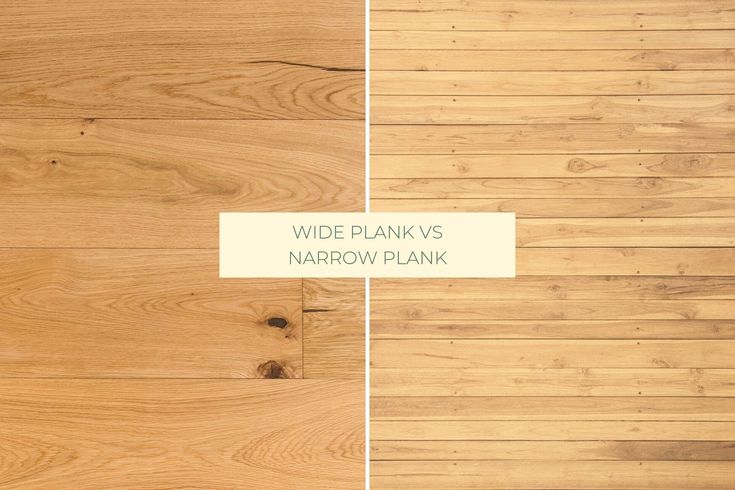
Wide plank hardwood flooring creates an immediate sense of expansiveness, turning a standard room into a design statement. The visual impact of these broad boards, often spanning five inches or more in width, mimics the look of historic timber-floored homes and rustic estates. While the aesthetic appeal is undeniable, it is crucial to understand that this style introduces specific engineering and environmental challenges. Homeowners and designers drawn to the look must also understand the potential wide plank hardwood flooring problems that can arise during and after installation.
Understanding the Nature of Solid Wood
To address wide plank hardwood flooring problems effectively, one must first respect the inherent properties of natural wood. Wood is a hygroscopic material, meaning it constantly reacts to the moisture levels in the surrounding air. It expands when it absorbs moisture and contracts when the air becomes dry. With wide planks, this movement is not uniform; the center of the board often moves differently from the edges. This differential movement places immense stress on the fasteners and the structural integrity of the board itself, making these floors more susceptible to issues than their narrow-strip counterparts.
The Perils of Buckling and Crowning
Buckling
One of the most dramatic wide plank hardwood flooring problems is buckling. This occurs when the floor is subjected to excessive moisture, often during the installation phase before the finish is applied. If the wood absorbs water rapidly, it has no room to expand lengthwise and will buckle or cup upward in waves. Because wide planks have a larger surface area, they can trap more moisture and take longer to dry, making them prone to severe distortion that is difficult to correct.


Crowning
Conversely, crowning happens when the center of the board becomes higher than the edges. This usually occurs after installation when the house is dried out, or humidity decreases. The underside of the board was installed slightly drier than the finish environment, causing the center to swell upward. While all wood planks can cup, the visual impact of a crowned wide plank is significant, creating an uneven surface that poses a tripping hazard and disrupts the clean lines the floor is meant to provide.
Gapping and Separation Issues
As seasons change and humidity drops, homeowners often notice gaps appearing between the wide planks. The wide plank hardwood flooring problems associated with gapping are primarily due to the sheer distance the wood must travel to close the seam. In narrow strips, the flex is minimal, but in a wide board, the ends can pull apart significantly. While some separation is normal and allows for seasonal movement, excessive gapping creates an eyesore and allows dust to accumulate deep within the joints, making the floor harder to clean.


The Challenge of Stability and Flatness
Wide planks are inherently more flexible than many thin strips glued together in a strand-woven pattern. This flexibility can lead to problems with flatness and "bounce." A floor made of wide boards is more likely to develop a slight give or spring when walked upon if the subfloor is not perfectly level or if the underlayment does not provide adequate support. Furthermore, wide planks are more prone to showing indentations from heavy furniture or high heels, as the lack of internal support structure found in engineered alternatives can result in permanent dents.
Installation and Cost Complications
The installation process for wide plank hardwood flooring magnifies common construction errors. Because the boards are heavy and rigid, they require precise acclimation and expert fitting. Any inconsistency in the subfloor becomes immediately apparent once the wide surface is laid down. Additionally, the cost of material waste is higher; if a single wide plank is cut incorrectly, the financial loss is significantly greater than losing a narrow strip. This often necessitates the use of engineered wide planks, which mitigate the movement problems but may not offer the same authentic, solid-wood feel sought after by buyers.
Mitigating the Risks
Despite these wide plank hardwood flooring problems, the look remains highly desirable and achievable with the right precautions. The key is to treat the wood as a living material. Professionals recommend installing a high-quality underlayment that offers both cushioning and moisture resistance. Maintaining stable indoor humidity levels between 35% and 55% year-round is the single most effective way to prevent buckling and gapping. Choosing a multi-layer engineered product with a thick wear layer can provide the visual width desired with far greater dimensional stability than solid boards.




Related Articles

John Deere D110 Transmission Problems: Causes Fixes & Symptoms
John Deere lawn tractors, particularly the D110 model, are celebrated for their durability and performance in residential and light commercial settings. Yet...

Case 2590 Slow Hydraulic Problems: Causes, Fixes & Solutions
Operators troubleshooting a Case 2590 excavator often encounter frustrating symptoms where the machine feels sluggish, with attachments moving noticeably...

Palladio Wide Plank Flooring Reviews: Honest Ratings & Best Picks
Homeowners and designers seeking timeless elegance often turn to Palladio wide plank flooring, a product line that channels the grandeur of Italian Renaissance...

Tomato Leaves Turning Yellow in UK: Causes & Fixes
The sudden transformation of vibrant tomato plant leaves from their usual green to a yellow or yellowish hue can be quite concerning for UK gardeners. This...

Peace Lily Wilting With Moist Soil: Causes and Fixes
Is your peace lily looking a bit droopy, even though you've been diligent about keeping its soil moist? You're not alone. This common houseplant can sometimes...

Stairs: Carpet vs Hardwood Flooring
Ever debated between stairs carpet or hardwood for your home? Both options bring unique charm and practicality to your living space. Let's dive into the pros...