White Line in Dog's Eye: Causes, Symptoms & Treatment Guide
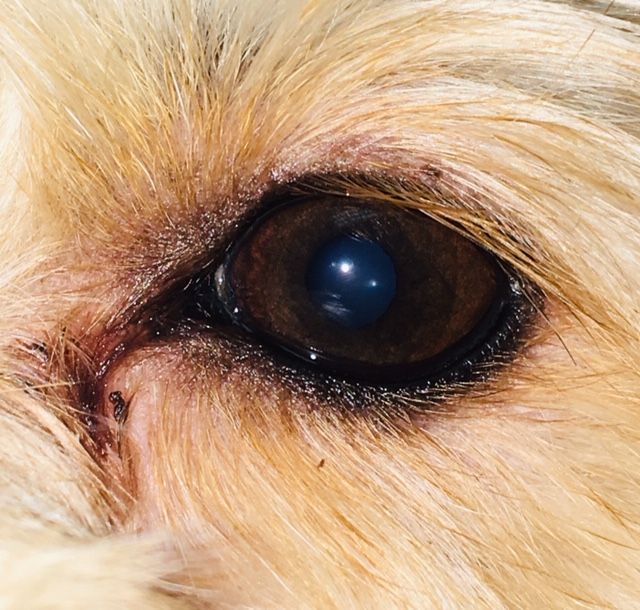
Observing a white line in dog's eye can be a startling experience for any pet owner. This specific visual symptom often indicates an issue with the delicate structures surrounding the cornea or the inner workings of the eye. While it might simply be a scratch or debris, it can also signal more serious conditions that require prompt veterinary attention.
Understanding the Anatomy of the Canine Eye
To effectively interpret what a white line signifies, it helps to understand the basic anatomy of the dog eye. The clear, dome-shaped surface covering the front of the eye is the cornea, which is responsible for focusing light. Behind the cornea is the iris, the colored part that controls the size of the pupil. A white line visible on the surface could involve the cornea, the conjunctiva (the protective membrane), or even reflect from a cataract forming on the lens located deeper inside.
Common Causes of a White Line Appearance
The appearance of a white line or white spot can stem from a variety of issues, ranging from minor irritations to severe health concerns. Identifying the exact location and nature of the line is crucial for determining the underlying cause. Below are some of the most frequent reasons for this symptom.


Corneal Abrasions and Ulcers
One of the most common reasons for a white appearance is a corneal ulcer or abrasion. When the outer layer of the cornea is scratched or damaged, it can become opaque and look white. This often occurs due to trauma from grass, dirt, or even a cat scratch. The eye may become red, watery, and painful, causing the dog to squint or rub their face on the ground.
Cataracts and Lenticular Sclerosis
As dogs age, they can develop conditions that affect the lens of the eye. A cataract is a clouding of the lens that often appears as a distinct white patch or line within the eye. This is different from a surface issue because the opacity is inside the eye. Similarly, lenticular sclerosis is a hardening of the lens that can cause a subtle blue-white ring or haze, often mistaken for cataracts but usually does not significantly impair vision.


Recognizing the Symptoms
Beyond the visual cue of a white line, there are other physical and behavioral signs that can help you assess the severity of the situation. Paying attention to these details can help you decide if it is an emergency or a condition that can wait for a routine vet appointment.
- Squinting or Blinking: Excessive blinking indicates pain or discomfort in the eye surface.
- Redness or Inflammation: Bloodshot eyes often accompany infection or trauma.
- Discharge: Yellow or green discharge suggests a bacterial infection, while clear discharge might indicate allergies.
- Cloudiness: A change in the clarity of the eye, whether in the center or the cornea, is a primary indicator of trouble.
When to Seek Veterinary Care
Eye conditions can escalate rapidly, leading to permanent damage or blindness if left untreated. It is generally recommended to treat any visible change in the eye as an emergency until proven otherwise by a professional. If you see a white line accompanied by pain, redness, or cloudiness, contacting a veterinarian immediately is the safest course of action.
Vets use specialized tools like fluorescent dyes and ophthalmoscopes to look at the cornea and interior structures without causing harm. They can differentiate between a superficial scratch and a deep ulcer, or identify the presence of cataracts.


Treatment and Prevention Strategies
Treatment varies entirely depending on the diagnosis. Superficial corneal scratches might only require antibiotic eye drops to prevent infection, while ulcers may require more intensive medication or even surgery. Cataracts might necessitate surgical removal if the dog is significantly impaired, though many dogs adapt well to blindness.
Prevention focuses on minimizing eye trauma and keeping the ocular surface healthy. Keeping your dog’s face clean, trimming hair around the eyes, and avoiding exposure to irritants like dust or chemicals can reduce the risk of scratches. Regular check-ups are the best way to catch age-related conditions like cataracts early.




Related Articles

Lump Near Dog's Penis: Causes, Symptoms, and Treatment Guide
Finding a lump near your dog's penis is a scenario that can immediately trigger concern for any dedicated pet owner. This specific location is anatomically...

White Spot on Betta Fish: Causes, Treatment & Prevention Guide
Noticing a white spot on betta fish can be an unsettling experience for any aquarist. These vibrant, flowing creatures are known for their personality and...

Understanding Tocia Medical Term: Causes, Symptoms & Treatment Guide
In the intricate landscape of medical terminology, precise language is the cornerstone of effective communication, diagnostic accuracy, and patient safety...

White Spots on Cat? Causes & Treatment Guide
Finding white looking things on your cat can be an immediate cause for concern. Whether it is static electricity, dandruff, or a more serious issue...

Lump on Dog's Jaw Golf Ball Size: Causes, Symptoms & Treatment
Discovering a lump on dog jaw golf ball size is a scenario no pet parent wants to face. This sudden and alarming change in your companion’s physical appearance...

Anthracnose Leaf Spot: Causes, Symptoms & treatment
Picture this: you're strolling through your thriving garden, admiring the vibrant greenery, when you notice suspicious spots dotting your plants' leaves. A...