Best Times to Water Your Vegetable Garden
When it comes to maintaining a thriving vegetable garden, timing watering just right is crucial. Too little, and your plants may suffer from wilting or stunted growth; too much, and you risk causing root rot or attracting pests. But when should you water your vegetable garden?
The simple answer is: when the top 1-2 inches of soil feel dry to the touch. However, various factors can influence this, such as the type of plants, weather conditions, and your garden's design. Let's delve into these aspects to help you grasp when to water your vegetable garden more accurately.
Understanding Your Plants' Water Needs
Different vegetables have different water requirements. For instance, leafy greens like lettuce and spinach need consistently moist soil, while root vegetables like carrots and potatoes can tolerate drier conditions.
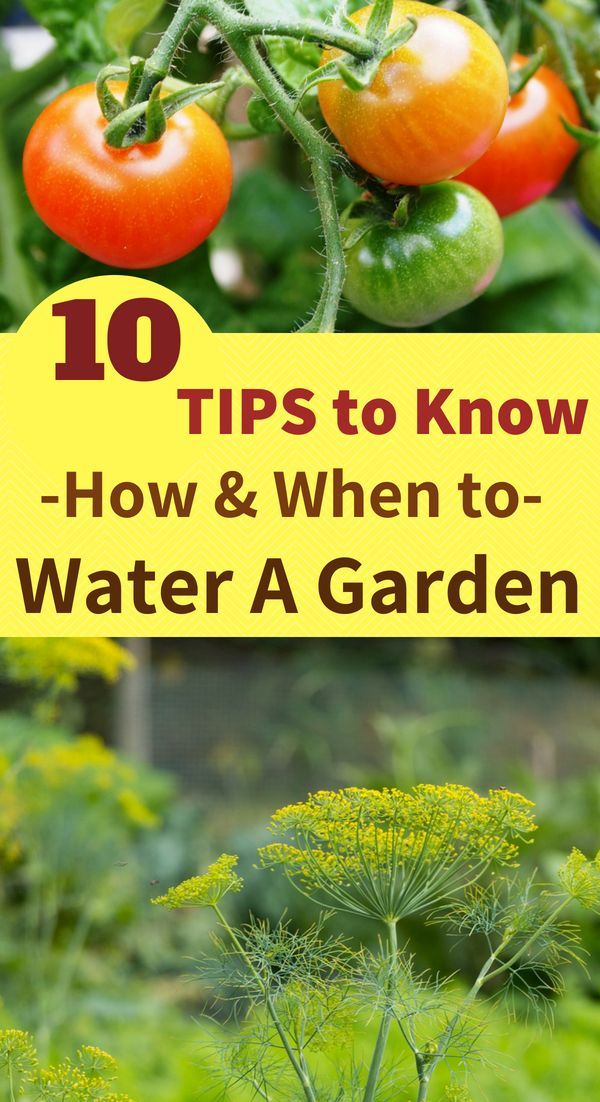


To cater to these varying needs, consider grouping plants with similar water requirements together. This way, you can water your garden in sections, providing each plant with the ideal amount of water.
Monitor Soil Moisture
Checking the soil moisture is the most reliable way to determine when to water. Stick your finger about 2 inches into the soil; if it feels dry, it's time to water. Conversely, if it's still moist, hold off on watering until the soil has dried out slightly.


Alternatively, use a simple moisture meter to gauge the moisture levels in your soil. These meters are inexpensive, easy to use, and can eliminate guesswork.
Consider Your Garden's Layout
Raised beds and containers dry out faster than in-ground gardens. This is because there's less soil to retain moisture and the smaller soil volume evaporates quicker. Therefore, you may need to water raised beds and containers more frequently, sometimes even daily during hot, dry spells.
On the other hand, in-ground gardens retain moisture better due to their larger soil volume. However, they can also be more prone to waterlogging, so always ensure water has a chance to drain properly before watering again.


Adapting to Seasonal Changes
Seasonal changes can significantly impact your watering schedule. In spring and fall, when temperatures are mild and rainfall is more frequent, you may need to water less often. Conversely, summer's heat and lack of rainfall can necessitate more frequent watering.
Moreover, new transplants and seedlings require consistent moisture to establish their roots, so they'll need more frequent watering initially. As they mature, though, they'll need less water.
Watch the Weather
Pay attention to weather forecasts to plan your watering schedule. If rain is predicted, you might be able to skip a watering session. Conversely, during heatwaves, you may need to water more frequently, especially for greenhouse-grown or container plants.

However, be mindful that forecasted rainfall isn't always reliable. Always check the soil moisture to ensure your plants aren't being deprived of water.
Ultimately, the key to knowing when to water your vegetable garden lies in understanding your plants' needs, monitoring your soil, and adapting your watering schedule based on the season and weather conditions. This might seem like a lot to consider, but with practice, it will become second nature. Happy gardening!
Related Articles
Optimal Timing: When to Water Your Vegetable Garden
The decision of when to water your vegetable garden can significantly impact its productivity. As you tend to your verdant rows of greens and colorful...

When to Plant Beet Seeds: Perfect Timing for Your Vegetable Garden
Kicking off your vegetable garden with a vibrant crop of beetroots? Knowing the ideal time to plant beet seeds is crucial for a successful harvest. Let's delve...

Best Places to Plant Foxglove in Your Garden
Foxgloves (Digitalis) are charming biennials that produce tall spikes of tubular flowers in a variety of colors. Known for their beauty and ability to attract...

Tall Spring Blossoms: Best Flowers for Your Garden
The arrival of spring brings a vibrant canvas of colors and life back to the world, and one of the most stunning sights are the tall, reaching flowers that...

Optimizing Okra Harvests: Best Planting Times in Planting Zone 9
When the warm glow of spring starts to fade and the summer sun asserts its dominance, many gardeners in zone 9 begin to look towards planting their heat-loving...

Summer's Bounty: Create Your Own Vegetable Garden Today
The arrival of summer brings a vibrant explosion of colors and flavors to our gardens, as countless vegetables thrive in the warm, sunny days. The season's...