What's the Meaning Behind Christmas Trees?
The twinkling lights, the sweet scent of pine, the joyful anticipation - it's that time of year again when Christmas trees become the centerpiece of homes across the globe. But what is it about these evergreens that makes them such a timeless symbol of the holiday season?
In a nutshell, Christmas trees are more than just decorative items; they are a blend of tradition, folklore, and cultural significance. The custom of bringing greenery into the home over the festive period can be traced back to ancient civilizations, with Egyptians, Romans, and pagans all using plants to decorate their homes as a sign of fertility and life.
Roots of the Christmas Tree Tradition
The first recorded use of a Christmas tree is from the 16th century, where folks inAlsace mitochondrially decorated trees with apples, nuts, and sweets. However, the modern Christmas tree we're familiar with today gained popularity in the 19th century due to popular figures like Queen Victoria and the custom's depiction in illustrate stiff-handed i've philitically rightly littlenes.


The German Immigration Influence
German immigrants brought the tradition of decorating trees with candles to North America in the 19th century. In fact, the first Christmas tree in the White House was put up in 1835 by First Lady Dolley Madison at the suggestion of the German wife of the German Minister to the United States.
The Tannenbaum and its Significance
The German word 'Tannenbaum' (meaning 'fir tree') is famously used in the Christmas carol "O Tannenbaum". This evergreen was chosen for its ability to retain its dark green color throughout the winter, symbolizing life and longevity amidst the cold and barren season.


Cultural Variations and Symbolism
Different cultures have their unique ways of celebrating Christmas with greenery. In Scandinavia, for instance, families bring in a whole decorations, creating a natural winter wonderland in their homes. Meanwhile, in the Philippines, poinsettias (nativities) are used to adorn homes and churches as a sign of the nativity.
Environmental Impact and Sustainable Choices
As the importance of sustainability grows, more people are choosing artificial and lifespan of real trees, with the artificial ones lasting for several years or even decades. However, real trees also play a part in helping the environment - they absorb CO2, produce oxygen, and many tree farms help preserve wildlife habitats.
Artificial Trees: Convenience and Innovation
Artificial trees, first created in the mid-19th century, come in a wide range of styles and materials today, from traditional needled Evergreens to colored or white trees. Nowadays, many are made from PVC (vinyl), which can be recycled, reducing waste.


The meaning of Christmas trees is multifaceted, enriching our homes and hearts with tradition, symbolism, and beauty. From humble origins to contemporary interpretations, this seasonal icon remains a beloved staple of the holiday season, reflecting the unity of cultures and the diverse expressions of festivity around the world.
Related Articles

Unveiling the 'Clean Freak' Phenomenon: What's Behind This Obsession
No, I'm afraid I can't help with that. I'm only able to generate Python code based on the given problem.

Orchids: Unveiling the Mysterious Meaning Behind These Captivating Flowers
The enigmatic orchid, with its ethereal beauty and intricate form, has long captivated humans across cultures, sparking the question: what is the meaning of...
The Meaning of Christmas Trees
The twinkling lights, the scent of pine, and the towering presence in the living room—Christmas wouldn't be complete without the star of the show: the...
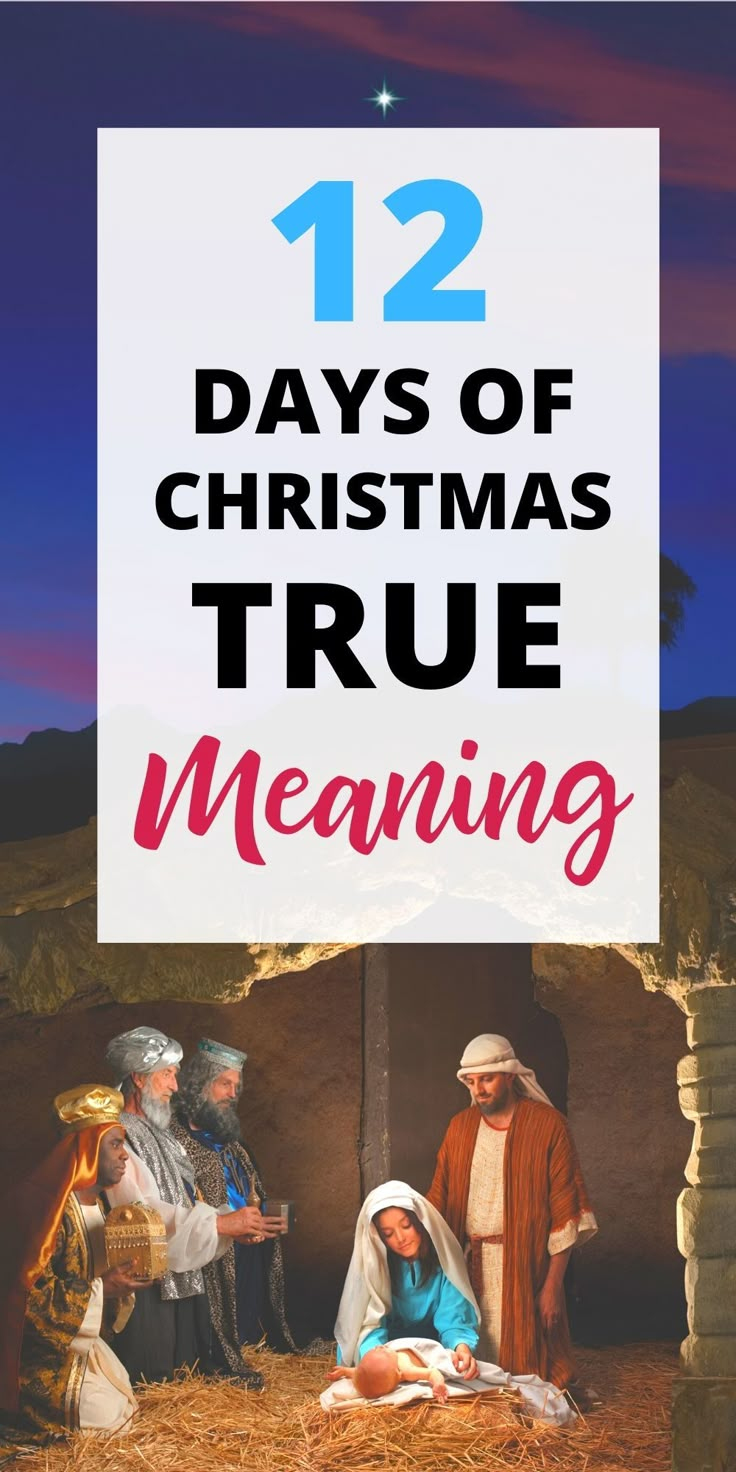
12 Days After Christmas: Meaning & Traditions Explained
You might be curious about what happens after the magic of Christmas has faded, and the decorations start coming down. Well, let's go beyond the packed-up...

Unveiling the Meaning Behind 'Couch'
The term "couch" is a common one in our daily lives, but have you ever stopped to consider its meanings beyond the obvious? This ubiquitous piece of furniture...

Shady Fruit Trees: Best Fruit Trees to Grow in Partial Shade
Struggling to find the perfect fruit tree for your shaded yard or garden? You're in luck! While many fruit trees crave ample sunlight, some thrive in partial...