Creative Tic Tac Toe SVG Designs for Web & Game Projects
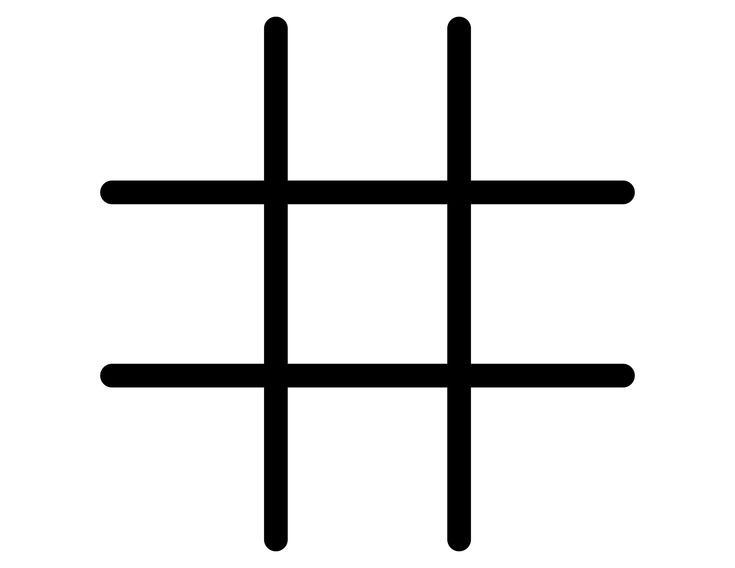
Tic tac toe svg represents a fascinating intersection of classic game design and modern web development. This simple grid-based game, known across the world as noughts and crosses, has found a new life through scalable vector graphics. Developers leverage SVG to create crisp, resolution-independent game boards that look sharp on any device, from mobile phones to giant 4K displays.
The Technical Advantages of SVG for Game Boards
When building web games, performance and visual clarity are paramount. SVG provides a unique solution for tic tac toe by using mathematical paths rather than pixel-based images. This means the game board scales without losing quality, avoiding the blurriness common with traditional raster images like PNG or JPEG. Furthermore, SVG elements are part of the DOM, allowing for easy manipulation with JavaScript and CSS.
Interactivity and Style Control
One of the greatest benefits of using tic tac toe svg is the level of interactivity it affords. Developers can attach event listeners directly to the grid lines or individual cells. This allows for hover effects, click animations, and real-time feedback. CSS styling can transform the look entirely, enabling themes that range from minimalist Material Design to vibrant, cartoonish aesthetics without changing the underlying structure.


- Resolution independence for sharp display on all screens.
- Small file size leading to fast loading times.
- Easy application of CSS filters and transitions.
- Direct DOM access for seamless JavaScript integration.
- Potential for accessibility enhancements via semantic markup.
- Simplified deployment as part of a static website or web app.
Implementing the Grid with Code
Creating a tic tac toe svg grid involves defining a container and using basic shape elements. A common approach is to use a <line> or <rect> elements to form the hash grid. For the game logic, developers often overlay invisible, clickable areas that correspond to the nine positions. This ensures that the visual design remains flexible while the functional logic remains robust and efficient.
Animating the X and O Marks
SVG truly shines when it comes to bringing the game pieces to life. Rather than static images, X's and O's can be drawn with animations. A popular technique involves animating the drawing path of the lines forming the X, or scaling the circle and cross from zero to full size on a win. These micro-interactions enhance the user experience, making the digital game feel more dynamic and responsive than its physical counterpart.


Accessibility and Semantic Structure
While SVG offers visual freedom, it is crucial to maintain accessibility for all users. Screen readers might struggle to interpret a purely graphical grid. To combat this, developers should utilize ARIA labels and roles, such as role="grid" for the board and role="gridcell" for each square. Adding descriptive titles to the X and O groups also helps convey the current state of the game to assistive technologies, ensuring the game is inclusive.
Beyond the Basics: AI and Multiplayer
Once the static svg board is functional, the complexity can increase. Implementing a basic AI opponent requires coding a decision tree that evaluates the grid state. For collaborative play, WebSockets or similar technologies allow for real-time updates of the svg board across different browsers. The lightweight nature of the SVG format makes it ideal for transmitting game state data, ensuring that multiplayer tic tac toe remains lag-free and synchronized.
Resources and Learning Paths
For those looking to build their own version, numerous open-source repositories provide excellent starting points. Searching for "tic tac toe svg" on platforms like GitHub reveals implementations ranging from simple educational examples to complex multiplayer variants. Experimenting with these resources is the best way to understand the synergy between vector graphics logic, ultimately leading to the creation of a polished, engaging web game.


Related Articles

Jack-O'-Lantern Face Ideas: Creative Designs to Light Up Your Halloween
The chilling wind of autumn carries whispers of ghosts and goblins, hinting at the impending arrival of Halloween. As the sun sets earlier and the air grows...

Vessel Sink Ideas: Creative Designs for Modern Bathrooms
Transforming your bathroom into a stylish oasis is an exciting project, and choosing the perfect vessel sink is a great place to start. These striking sinks...

Kitchen Drawer Ideas: Maximize Space with Creative Designs
The heart of every kitchen lies in its storage solutions, and among them, drawers play an enormous role. They are not just about storing items but also about...

Lawn Pathway Ideas: 10 Creative Designs for Your Garden
Ever dreamt of turning your backyard into a mesmerizing outdoor haven? One of the best ways to enhance your garden's charm and functionality is by installing...

Pallet Fence Ideas: 25 Creative DIY Projects
Ever found yourself with old pallets gathering dust and wondered, "What can I do with these?" Well, let us inspire you with some eco-friendly, budget-friendly...

Fire Hearth Ideas: Inspiring Designs & DIY Projects
Snuggled up by the fire, sharing stories and laughter with loved ones is a memory many cherish. Enhancing your fireplace area, or hearth, can create a...