Thrips on Ficus: Identification, Treatment, and Prevention Guide
Thrips on ficus are a common and frustrating issue for both indoor plant enthusiasts and commercial growers. These tiny, slender insects can rapidly colonize the underside of leaves and new growth, feeding on plant cells and causing a cascade of aesthetic and health problems. Identifying the signs early is crucial, as a small, localized infestation is far easier to manage than a full-blown epidemic that can severely stunt your plant's development.
Identifying Thrips and Their Damage
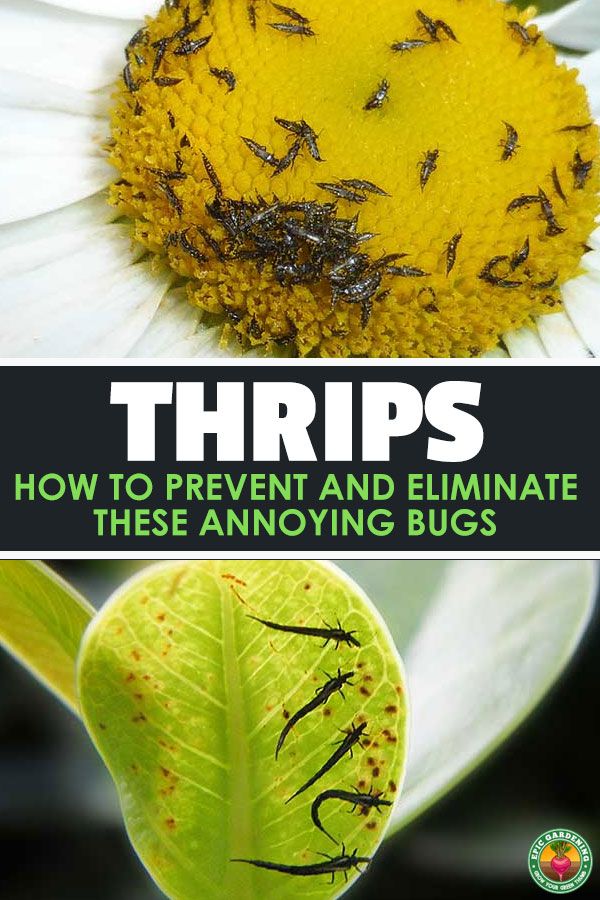
Thrips are minuscule, winged insects, often appearing as tiny dark streaks or pale specks moving across the surface of the foliage. Due to their size, they are frequently noticed only after significant damage has occurred. The damage itself is distinct; you will notice silvery or whitish streaks on the leaves where the thrips have scraped the surface. In more severe cases, the leaves may become distorted, curl inward, or develop brown, dead patches. The presence of dark, pepper-like specks, which are thrips excrement, is another definitive sign of their activity.
The Lifecycle of Thrips on a Ficus
Understanding the lifecycle of thrips is key to effective control. Adult females lay eggs directly into the plant tissue, where they hatch into legless, wingless nymphs. These nymphs are the primary feeding stage, causing the characteristic silvery damage as they consume the chlorophyll and cellular fluids. After several molts, the nymphs drop to the soil or leaf litter to pupate, emerging as adults ready to start the cycle again. This entire process can take as little as two to three weeks in warm indoor conditions, allowing populations to explode quickly.


Effective Treatment Strategies
When dealing with thrips on ficus, a multi-pronged approach is almost always necessary. Isolating the affected plant immediately is the first critical step to prevent the pests from spreading to your other collection. For mild infestations, a strong stream of water can be used to physically dislodge the insects from the leaves. Insecticidal soaps or horticultural oils are effective contact killers, but thorough coverage, especially on the undersides of leaves, is essential for them to work.
Systemic and Biological Controls
For persistent or large-scale infestations, systemic insecticides may be required. These chemicals are absorbed by the plant and poison the thrips when they feed. However, they should be used as a last resort due to potential effects on beneficial insects and the environment. A more sustainable option is introducing biological controls, such as the predatory mite *Neoseiulus cucumeris*. These beneficial predators actively hunt and consume thrips eggs and nymphs, offering a long-term, eco-friendly solution for managing populations.


Prevention is always superior to cure, and this holds true for thrips management. Regularly inspecting your ficus for the early signs of damage allows you to act before the population becomes unmanageable. Quarantining any new plants for a few weeks before introducing them to your collection is a simple but highly effective biosecurity measure. Furthermore, maintaining proper humidity and avoiding over-fertilization with excessive nitrogen, which promotes soft, succulent growth that thrips favor, can make your ficus a less attractive target.
Recovery and Long-Term Plant Health
After successfully eradicating a thrips outbreak, your ficus will need time and proper care to recover. Prune away any severely damaged or dead leaves to help the plant redirect its energy toward healthy growth. Avoid jumping to conclusions if you see a few lingering insects; instead, continue monitoring the plant closely for a few weeks to ensure the population has truly been eliminated. With diligent care and a watchful eye, your ficus can regain its lush, vibrant appearance and remain a thriving centerpiece in your space.




Related Articles

Citrus Thrips Damage: Identification, Treatment, and Prevention Guide
Citrus thrips, primarily the gladiolus thrips (Scirtothrips citri), represent a significant and persistent challenge for growers and gardeners cultivating...

Rust Plant Disease: Ultimate Guide to Identification & Prevention
Gardeners and farmers alike dread the sight of rust spots appearing on their lush, healthy plants. Rust is a common plant disease that can potentially...

"Plant Mealy Bugs: Identification, Treatment & Prevention"
Imagine tending to your indoor plants, only to notice small, cotton Like creatures crawling across leaves. These aren't signs of a supernatural infestation...

Apple Tree Bark Disease: Identification, Treatment, and Prevention
Imagine strolling through a lush, green orchard, the sun filtering through the leaves, and the soft rustling of branches whispering secrets in the breeze...

Powdery Mildew on Ficus: Prevention & Treatment
Are you a proud ficus owner noticing white, powdery spots on your plant's leaves? You're not alone. Ficus plants, known for their air-purifying properties, can...

Tomato Early Blight Control: Prevention & Treatment Guide
The garden's vibrant tomato plants, lush and green, are a sight to behold. But what if those glossy leaves suddenly start to spot, their vibrant hue replaced...