Succulent Ground Cover Ideas
Imagine a garden that requires minimal effort to maintain, yet boasts stunning beauty year-round. Such a landscape is achievable with succulent ground cover, a low-growing, spread-friendly plant type that not only adds charm but also reduces maintenance. Let's delve into the world of succulent ground cover and explore its benefits, varieties, and effective usage.
Succulent ground cover, much like their name suggests, are hardy plants that store water in their leaves, stems, or roots. This makes them drought-tolerant and perfectly suited to regions with low rainfall or hot climates. Their vibrant forms and colors can transform ordinary spaces into extraordinary gardens, as we will discover.
Benefits of Succulent Ground Cover
Succulent ground cover offers a multitude of advantages, including water conservation, weed suppression, and soil erosion prevention. Additionally, their low growth habit makes them an excellent choice for rock gardens or areas where taller plants might overcrowd the space.


For those attempting to invigorate difficult areas, such as shady spots under trees or slopes, succulent ground cover can provide the perfect solution. Their ability to thrive in less than ideal conditions makes them a valuable asset in any garden.
Eco-Friendly and Low-Maintenance
Succulent ground cover plays a crucial role in eco-friendly gardening. They require substantially less water and fertilizer than traditional lawns or landscape plants, making them an environmentally sustainable solution. Moreover, their self-seeding capabilities can help establish new plants, reducing the need for frequent purchases or replacements.

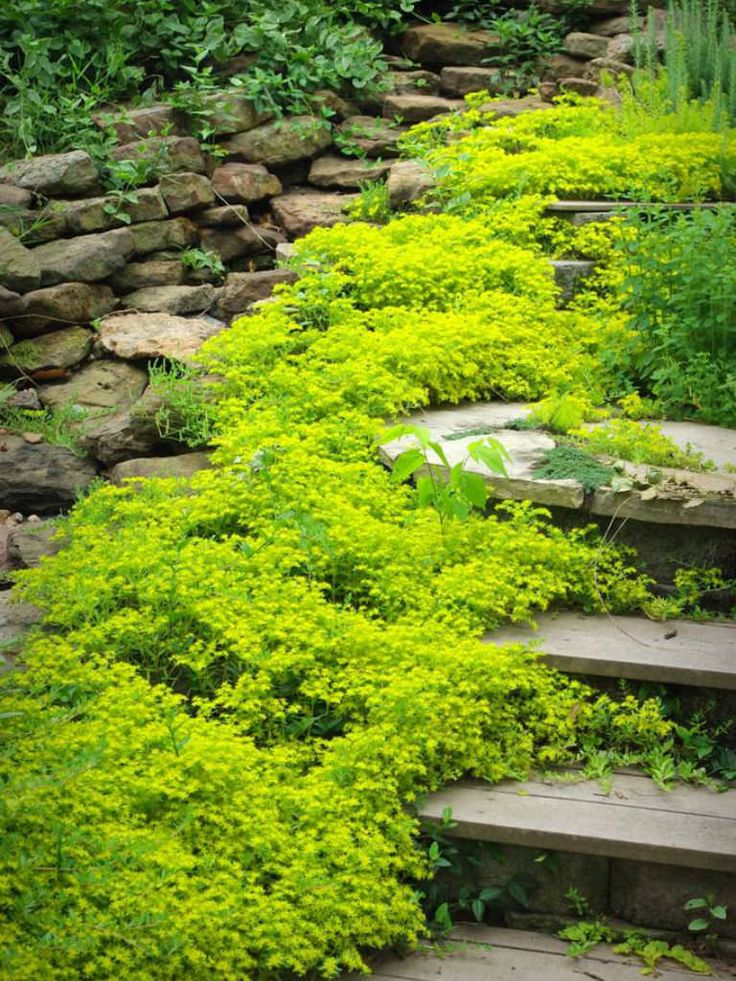

Beyond their ecological contributions, succulent ground cover's low-maintenance nature saves time and effort. Once established, these plants require minimal attention, allowing gardeners to enjoy their beautiful landscape with minimal upkeep.
Versatile in Design and Aesthetics
The array of succulent ground cover options is breathtaking, ranging from tender, creeping species to robust, foliage-based forms. Such diversity enables enthusiasts to create a myriad of designs - from textural interest in flower beds to colorful pathways and vibrant borders.
Incorporating succulent ground cover in your garden can help you achieve a myriad of artistic visions, from contemporary and modern to playful and whimsical. Their versatility makes them ideal for showcasing in various settings, including public spaces, green roofs, and home gardens.


Exploring Popular Succulent Ground Cover Varieties
Encrypta succulents and sedums top the list of favorite choices for ground cover. Both genera offer an extensive selection of species with diverse shapes, sizes, and colors. Let's examine some exciting options.
Delving into the enchanting world of succulent ground cover reveals a cornucopia of fascinating plants, each with its unique qualities. Whether you're seeking brilliant blooms or intricate foliage, there's a succulent ground cover to suit every taste and design preference.
Sedums (Stonecrops)
Sedums, or stonecrops, are renowned for their durability and resilience. They are fully hardy, low-growing, and can tolerate a range of conditions. Some popular sedum varieties include 'Autumn Joy', 'Angelina', and 'Ice Plant'.

'Autumn Joy' is a well-loved classic, offering burgundy-red blooms and a mounding habit that reaches up to 18 inches. 'Angelina' presents golden, needle-like foliage that turns a brilliant red in the fall, growing to just 4 inches tall. 'Ice Plant' features chartreuse rosettes adorned with white, star-shaped blossoms, making it a striking addition to any garden bed.
Sempervivums (Hens and Chicks)
Sempervivums, or houseleeks, are succulent perennials that produce offsets, or 'chicks,' around the base of the 'hen,' the original plant. These plants are easily recognized by their rosette leaves that resemble those of leeks. 'Himalayan Hens and Chicks' and 'Blue Hens and Chicks' are popular choices among gardeners.
'Himalayan Hens and Chicks' displays bronzy-red leaves with mahogany-colored tips and pinkish-purple flowers, while 'Blue Hens and Chicks' boasts dazzling blue-green foliage and white blooms. Both create dramatic contrasts with other plants in your garden.
Establishing and Caring for Succulent Ground Cover
Successfully incorporating succulent ground cover into your garden involves selecting the right varieties for your specific conditions and providing appropriate care during the establishment phase. Let's explore these aspects further.
Start by evaluating your garden's climate, soil type, and sunlight exposure. Some succulent ground cover thrive in full sun, while others prefer partial shade. Additionally, well-draining soil is vital for all succulents, as they can perish in waterlogged conditions.
Planting and Maintenance
Begin by preparing your soil, ensuring it's well-draining and amended with compost or other organic matter as needed. For a fuller, more even spread, plant your succulent ground cover closer together than the recommended spacing, as many succulents decrease in height once established.
A regular watering routine is essential for the first six weeks after planting, allowing the roots to propagate and secure themselves. Thereafter, reduce irrigation as the plants become established and develop their drought-tolerant characteristics. Regular fertilization is unnecessary and may encourage leggy growth.
Propagating and Reviving
Many succulent ground cover species reproduce via offsets, seeds, or cuttings. Propagating from these sources allows you to create new plants and revitalize your garden. If your establishment appears sparse or lackluster after the initial growth, carefully pull back any loose soil, expose the roots, and trim as necessary. This process stimulates new growth and enhances your garden's overall beauty.
With proper planning and care, your succulent ground cover will flourish, transforming your garden into a captivating, low-maintenance oasis. As these plants encompass your landscape, they will not only provide a stunning visual impact but also contribute positively to the environment.
Related Articles

Pink Ground Cover Ideas for Breathtaking Landscapes
Ever dreamt of transforming your outdoor space into a whimsical fairytale garden? Imagine lush grounds cloaked in a soft, rosy hue, like a scene straight out...

Landscaping Ground Cover Ideas: Top Picks for Low-Maintenance Beauty
Ever gazing at your backyard and wishing for a lush, inviting space that's easy to maintain? Enter ground covers - a landscape designer's secret weapon. These...

Ground Cover Leaves: Best Plants and Ideas
Imagine strolling through a lush garden, your eyes greeting the vibrant hues of nature's canvas. One of the most delightful aspects of this visual tapestry is...

Low-Maintenance Trailing Plants: Ground Cover Ideas
Nestled close to the earth, trailing ground cover plants form a verdant carpet that softens the landscape and offers a range of benefits to the garden. From...

Top Ground Cover Zone 4 Ideas for Hardy Landscaping
Imagine stepping into a lush, verdant landscape where the air is cool and refreshing, and the sight of vibrant flora stretches out before you. This is the...

Tiny Blue Flowers: Charming Ground Cover Ideas
Imagine transforming your outdoor space into a fairytale landscape, with tiny blue flowers sprinkled like magic dust across the ground. Picture walking...