Fold or Hang Sweaters: The Ultimate Storage Showdown
Stacking your winter essentials efficiently is a small detail that has a big impact on the longevity of your favorite pieces. For knitwear, the method you choose is more than just a preference; it is a decision that directly impacts the fabric, the shape, and the lifespan of the garment. The question of whether to hang or fold sweaters is one of the most frequent dilemmas in wardrobe maintenance, and the answer depends on the construction of the knit, the material involved, and your long-term goals for the piece.
The Weight of Gravity: Why Hanging Can Be Harmful
Hanging a lightweight sweater is one of the fastest ways to distort its structure. Knits are inherently soft and flexible, which means they lack the structural integrity of woven fabrics like jackets or dress shirts. When you suspend a heavy knit from a hanger, gravity pulls the fabric downward, stretching the shoulder seams and causing the body of the garment to lengthen permanently. Over time, this results in a sweater that hangs away from the body, looks baggy, and loses the tailored silhouette you originally purchased.
Shoulder Seams and Stretching
The shoulder seams of a sweater are the most vulnerable points of tension when hanging. The weight of the arms pulls down on the seam connecting the sleeve to the body, creating a permanent crease that can eventually tear. Even sturdy knits made of thick wool or cotton are susceptible to this wear and tear. If you want to maintain the shape of the shoulders and keep the neckline from sagging, avoiding the hanger is almost always the better choice.


| Fabric Weight | Recommended Storage | Risk of Hanging |
|---|---|---|
| Lightweight (Cotton, Cashmere) | Folded | High (Stretching, Shoulder Droop) |
| Medium (Thick Wool, Jerseys) | Folded | Medium to High |
| Heavyweight (Chunky Knits, Coarse Wools) | Folded on shelf or stack | Low to Medium (if very rigid, but still risky) |
The Benefits of Folding
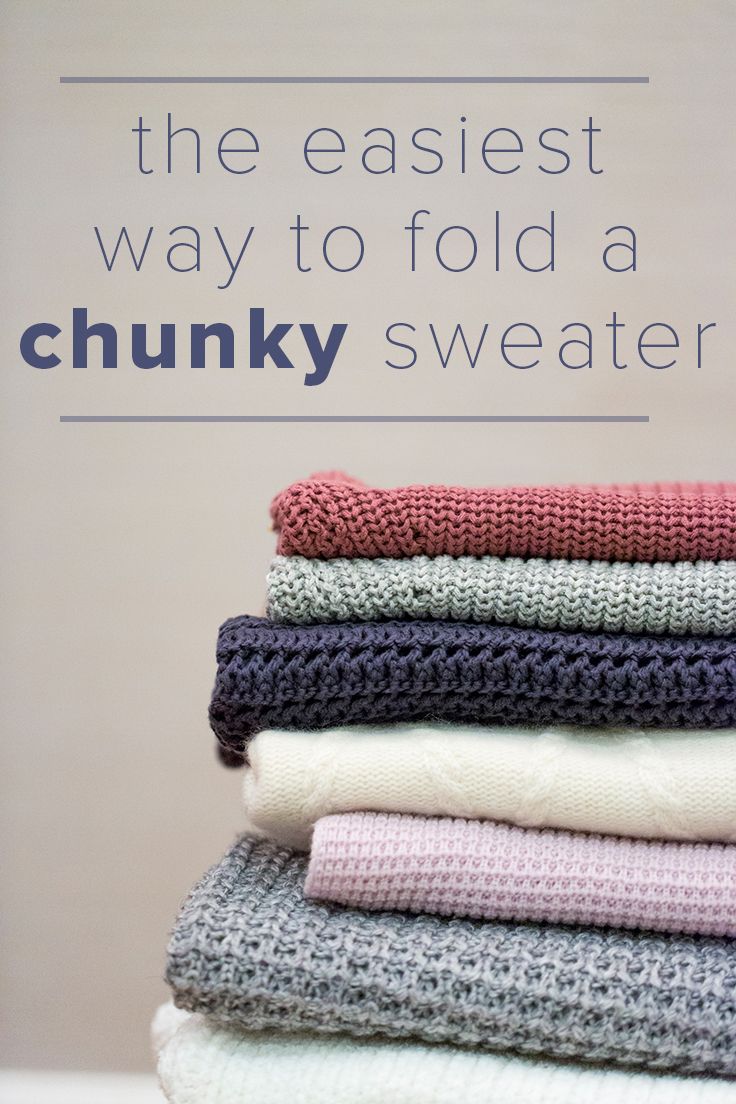
Folding a sweater creates a horizontal surface that supports the entire weight of the garment. By laying the piece flat in a drawer or stacking it on a shelf, you allow the fibers to rest in their natural alignment without the stress of vertical tension. This method helps the fabric retain its original shape, prevents shoulder seams from stretching, and minimizes the appearance of creases that can become permanent folds in the material.
Organizational Efficiency
From a practical standpoint, folding usually wins out in terms of space efficiency and visibility. When folded, you can see the entire surface of the sweater, making it easier to identify colors, patterns, and specific outfits without pulling everything out of a pile. Stacking vertically, similar to the file folding method used for documents, allows you to maximize drawer space and see every item at a glance, reducing the time spent rummaging through your closet.


When Exceptions Might Apply
While folding is the standard rule, there are specific scenarios where hanging a sweater might be the lesser of two evils. If you live in an extremely humid environment, a breathable wooden hanger might be necessary to prevent moisture from getting trapped in a folded pile and causing mildew. Additionally, some very structured or rigid knits—such as a cable-knit fisherman’s sweater made of heavy, non-stretching yarn—might hold their shape well enough to tolerate hanging, provided they are wide enough to avoid shoulder stress.
The "Knife Edge" Dilemma
Another valid exception involves space constraints. If you have a deep drawer that requires folding the sweater to the point of creating a sharp "knife edge" crease down the center, hanging a wider, bulkier garment might actually be preferable to ruining the fabric with a hard fold. In these situations, using a broad, contoured hanger is essential to distribute the weight evenly and avoid creating a new weak point in the fabric.
The Role of Material and Construction
Your specific choice between hanging or folding should ultimately be guided by the sweater's composition. A delicate cashmere or silk-blend sweater is incredibly soft and will drape poorly on a hanger, making folding the only sensible option. Conversely, a heavy-duty wool or a technical fleece is more resilient and can handle being folded without losing its loft. Understanding the fibers in your wardrobe allows you to apply the right storage logic to each unique piece.


Storing Folded Sweaters
To get the most out of the folded method, pay attention to how you stack the items. Avoid over-stuffing drawers, as this creates pressure that can crush the fibers. It is also wise to stack lighter items on top of heavier ones, or to arrange them vertically so that no single layer is supporting excessive weight. Using drawer dividers or sweater organizers can keep the layers neat and prevent the edges from becoming misshapen over time.
Long-Term Preservation Strategies
Whether you choose to hang or fold, the environment of your storage space matters significantly. Direct sunlight can fade colors, while areas near heating vents can dry out the fibers, making them brittle. Ideally, knitwear should be stored in a cool, dark place with breathable air circulation. If you are putting a sweater away for the summer, cleaning it first is non-negotiable; body oils and sweat can attract moths and cause discoloration during long-term storage, regardless of the method you use.
The Verdict: Prioritize the Knit
For the vast majority of knitwear, the consensus leans heavily toward folding. The risk of stretching, sagging, and seam damage associated with hanging simply isn’t worth the temporary convenience. By treating your sweaters with the care they deserve—supporting their full weight with a fold—you ensure that the fabric retains its shape, the seams stay strong, and the garment remains a reliable part of your wardrobe for seasons to come.



Related Articles
Fold or Hang Sweater: The Ultimate Storage Showdown
Standing in front of your closet, the weight of a knit sweater in your hand presents a universal dilemma: should you fold it or hang it? While the question...

The Ultimate Guide to Pendant Height: How High Should Pendants Hang Above Counter?
Determining the ideal height for pendant lights above a kitchen counter is less about a rigid rule and more about creating a functional and visually balanced...
Why You Shouldn't Hang Sweaters: The Shocking Truth Behind Proper Storage
You reach for your favorite sweater, only to find it stretched out of shape, sagging, or covered in mysterious white flakes. This common scene in many closets...

Proper Chain Hang Chainsaw: The Ultimate Guide to Safe Storage & Maintenance
Operating a chainsaw safely requires more than just a sharp bar; it demands a correctly tensioned chain. Proper chain hang is the foundational setup that...

Maximize Space: Ultimate Bag Storage Solutions at Toronto Airport
Packing for a trip can be stressful, especially when you consider the journey from your home to the Toronto Pearson International Airport (YYZ). But what if...

"Paint Sheen Comparison: The Ultimate Showdown"
When it comes to choosing paint for your home, one of the most critical decisions you'll make is the paint sheen. The sheen not only affects the paint's...