Refrigerating Rose Bouquet: Ultimate Freshness Guide
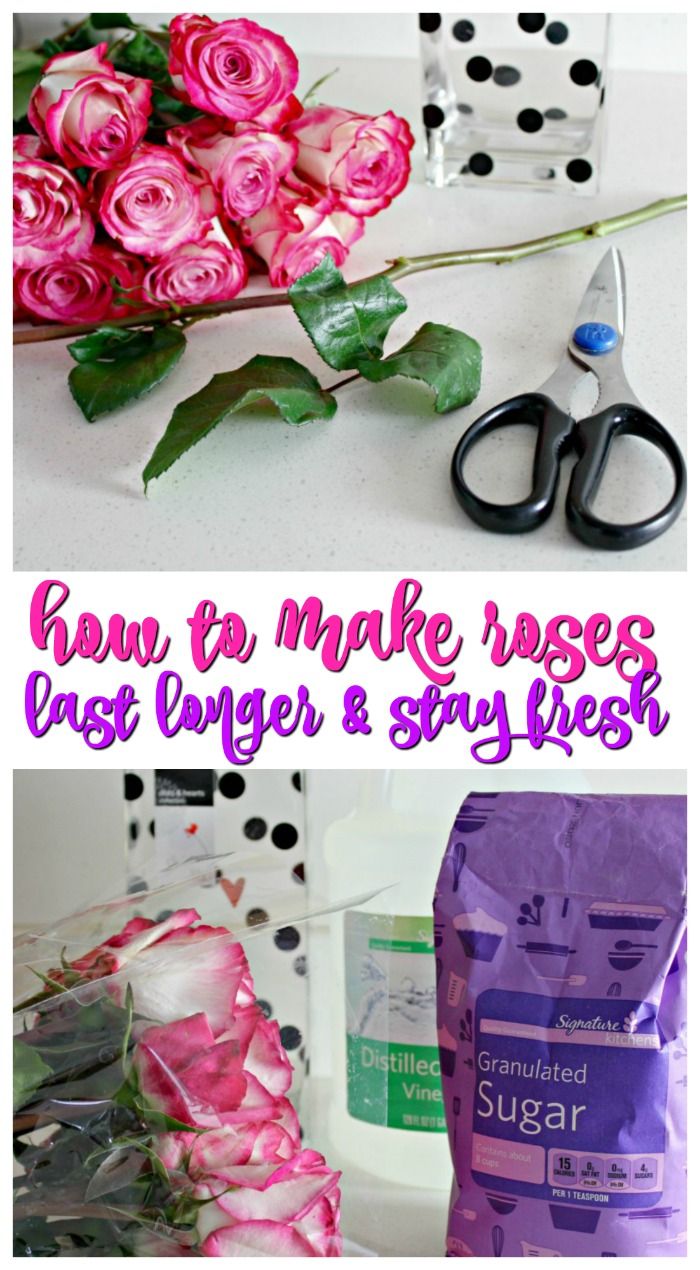
Preserving the delicate beauty and intoxicating fragrance of a rose bouquet is a common desire for anyone looking to extend the life of a special gift or celebration. While the traditional method involves simply placing the stems in a vase of water at room temperature, refrigeration offers a scientifically-backed technique to significantly slow down the aging process. This method mimics the cool, dark conditions of the garden and helps to reduce the metabolic activity within the flowers, keeping them fresher for longer.
The Science Behind Refrigeration
The primary reason refrigeration works so well is its effect on the biological processes within the cut flowers. Just like any living organism, roses continue to respire after being cut, consuming stored sugars and water. Cooler temperatures drastically slow down this respiration rate, which means the blooms conserve their energy and nutrients for a much longer period. Furthermore, bacterial growth in the vase water is significantly inhibited in a cold environment, preventing the formation of biofilms that clog stems and prevent water uptake.
Optimal Temperature Range
To achieve the best results without causing damage, it is crucial to set your refrigerator to the right temperature. The ideal range is typically between 33°F and 35°F (0.5°C to 1.5°C). Most standard household refrigerators maintain a temperature around 37°F (3°C), which is generally acceptable, though slightly less effective than the lower end of the spectrum. It is vital to avoid the freezing compartment or any setting that allows ice crystals to form, as freezing will rupture the plant cells and cause irreversible wilting and blackening.


Preparing the Bouquet for the Cold
Before introducing your roses to the cool environment, preparation is key to ensuring their survival. Start by trimming at least an inch off the bottom of each stem at a sharp angle under running water. This fresh cut prevents the stem from sealing over and allows for maximum water absorption. Remove any leaves that would sit below the waterline, as decaying foliage is a primary cause of bacterial contamination. Only then should you place the bouquet into a vase with clean, lukewarm water and flower food before moving it to the fridge.
Nighttime vs. Daytime Storage
A highly effective strategy is to utilize your refrigerator primarily during the evening and nighttime hours. During the day, the ambient warmth of a home is typically more suitable for the flowers to continue their natural display. As evening falls and the temperature drops, you can move them to the refrigerator to preserve their vitality through the cooler hours. This cycle of warmth and cold mimics the natural diurnal temperature changes the roses would experience outdoors, helping to maintain their structural integrity without shocking the system.


Special Considerations for Tropical Blooms
Not all roses are created equal when it comes to cold tolerance. Standard garden roses and modern cultivars are generally hardy and respond very well to refrigeration. However, some delicate or tropical varieties, such as certain species roses or flowers with papery bracts, can be susceptible to "chilling injury." If you notice dark spots developing on the petals or a sudden collapse of the stem when taking the bouquet out of the cold, it may be an indicator that your specific variety prefers room-temperature preservation. In these cases, focusing on clean water and regular stem recuts is a better approach than using the fridge.
Maintaining Freshness and Scent
Beyond extending the visual life of the bouquet, refrigeration plays a significant role in preserving the scent of the flowers. The volatile organic compounds responsible for the rose's powerful aroma degrade quickly at room temperature. By keeping the blooms cool, you slow down the evaporation of these fragrant molecules, allowing the perfume to linger for days longer than usual. For the highest success rate, always store the roses in a location within the fridge where they are not being crushed by other items and have some air circulation around the blooms.
Avoid ethylene gas| Action | Purpose | Benefit |
|---|---|---|
| Trim stems at an angle | Increase water uptake | Prevents stem from sealing |
| Remove lower leaves | Prevent bacterial growth | Keeps water clean and clear |
| Set fridge to 33-35°F | Slow metabolism | Extends vase life without freezing |
| Store away from fruit | Prevents premature wilting |
While the refrigerator is a powerful tool, it is essential to avoid one common mistake: storing roses near fruit. Apples, bananas, and other ripening fruits release a gas called ethylene, which acts as a natural trigger for flowers to age and drop their petals. By keeping your rose bouquet in a separate drawer or section of the refrigerator, you shield them from this gaseous trigger. With this careful approach, you can enjoy a vibrant, fragrant display that lasts well beyond the typical lifespan of a cut flower.




Related Articles

Rose of Sharon: The Ultimate Guide on Growing and Caring
The allure of roses often draws us into gardens, and among these enchanting blooms, the 'Rose of Sharon' holds a unique place. This isn't actually a rose but a...

Nourish Your Roses: The Ultimate Guide to Food for Rose Bushes
Ever wondered how to give your rose bushes a healthy glow? You're not alone! Roses, like any living thing, thrive on a balanced diet. So, if you want to Watch...

Maximize Freshness: The Ultimate Guide to Refrigerated Pesto Shelf Life
Ever found yourself pondering about the longevity of your favorite pesto in the fridge? You're not alone. Refrigerated pesto shelf life is a common query among...

Mastering Lent's Bloom: Ultimate Lenten Rose Pruning Guide
The Lenten rose, a member of the butterfly bush family, is known for its beautiful, fragrant flowers that bloom in winter. To keep your plant healthy and...

Maximize Freshness: The Ultimate Guide to Storing Oranges & Apples
Preserving the freshness and taste of oranges and apples is essential for enjoying their various nutritional benefits and culinary uses. Correct storage can...

The Ultimate Guide to Storing Homemade Pasta: Freshness Hacks & Freezer Tips
Mastering the art of homemade pasta is a rewarding experience, but the joy doesn't end when the rolling pin comes to rest. Properly storing homemade pasta is...