Raspberry Pi APRS Radio: Build Your Own Digital Ham Radio Beacon
For radio enthusiasts and amateur operators seeking an affordable, flexible platform for digital communication, the combination of a Raspberry Pi and an APRS radio setup presents a compelling solution. This integration allows users to transform a standard computer into a powerful gateway for Automatic Packet Reporting System traffic, enabling real-time tracking, messaging, and tactical communication. By leveraging the open-source nature of both the Raspberry Pi hardware and APRS software, hobbyists can create sophisticated networks without expensive proprietary hardware.
Understanding APRS and Its Core Functionality
APRS, or Automatic Packet Reporting System, is a digital communication protocol designed to overlay real-time geolocation data onto existing radio frequencies. Originally developed for amateur radio, it transmits packets containing location, velocity, and short text messages via VHF or UHF bands. The Raspberry Pi acts as the server component, decoding these packets and making the data available on the internet via websites or mapping tools. This creates a hybrid digital-radio network that is both resilient and highly configurable for various use cases.
Hardware Requirements for a Basic Setup
To establish a functional unit, specific hardware components are necessary to bridge the digital and analog radio worlds. The selection of these parts determines the reliability and capabilities of the entire station.

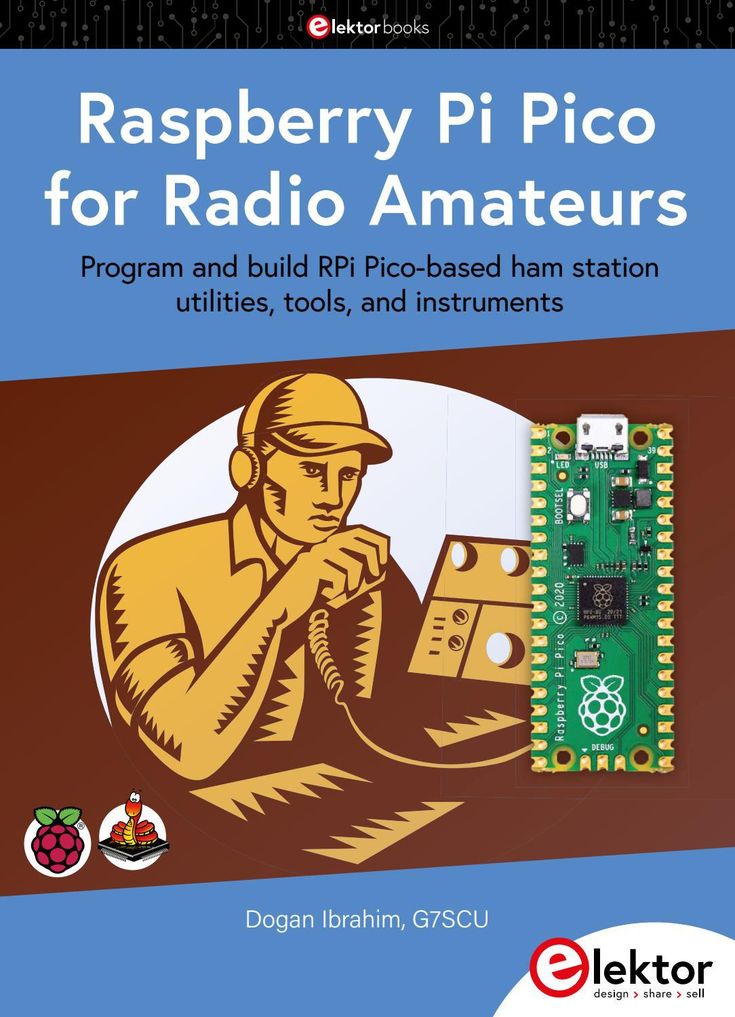

- Raspberry Pi (Model 3, 4, or Zero 2 W recommended)
- Compatible RTL-SDR dongle or dedicated APRS TNC ( Terminal Node Controller)
- 2-meter or 70-centimeter band radio transceiver
- Power supply and adequate antenna system
Software Configuration and Optimization
Once the physical components are connected, the true power of the Raspberry Pi is unlocked through software configuration. Users typically install a Linux distribution such as Raspberry Pi OS and then deploy APRS-specific daemons like ` Direwolf` to handle the packet decoding and encoding. Configuration files allow for precise tuning of the callsign, location grid, and network connection strings to ensure seamless integration with the broader APRS-IS internet system.
Connecting to the Global APRS-IS Network
The true value of a Raspberry Pi APRS station is realized when it connects to APRS-IS, the internet backbone of the APRS community. This connection allows the local radio traffic to be shared globally and vice versa, turning a local signal into a worldwide data point. The setup requires registration for an IS server password and the configuration of filters to manage the specific traffic flow through the Raspberry Pi instance.


Practical Applications and Use Cases
The versatility of this setup extends far beyond simple tracking. Operators utilize these systems for a variety of practical and recreational purposes. Emergency communication groups often deploy Raspberry Pi nodes as digipeaters to fill coverage gaps in local areas. Additionally, developers use these platforms to experiment with custom mapping solutions or to aggregate weather data from mobile stations for local forecasting.
Monitoring and Maintenance Considerations
Maintaining a reliable stream of data requires attention to detail regarding placement and power management. Because the Raspberry Pi is often deployed in remote locations or mobile platforms, ensuring stable power delivery and cooling is essential to prevent data dropouts. Furthermore, utilizing the built-in logging features of the APRS software helps troubleshoot signal interference or connectivity issues with the internet service provider.
The Future of Low-Cost Digital Radio
The intersection of the Raspberry Pi and APRS radio represents a significant shift in how amateur radio operators interact with the airwaves. It moves the focus from purely hardware-centric projects to software-defined processing and network participation. As the community continues to develop new interfaces and visualization tools, this lightweight platform will remain at the forefront of experimental packet radio for years to come.


Related Articles

pa\(Credit cards are a popular choice among consumers due to their convenience, flexibility, and rewards programs. They allow you to make purchases without carrying cash, earn points or cashback, and build credit. However, finding the right credit card can be overwhelming with the multitude of options available. To help you narrow down your choices, we've compiled a list of the best credit cards in several popular categories, based on their rewards, benefits, fees, and customer satisfaction ratings. **Cashback Credit Cards** Cashback credit cards offer a percentage of your spending back as rewards, typically on every purchase. Here are some of the top cashback credit cards: 1. **Citi Doube Cash Card**: This card offers 2% cashback on every purchase, with the option to convert it to 2% more cashback (for a total of 4%) when you redeem for gift cards at thankyou.com. 2. **Chase Freedom Unlimited®**: This card offers an unlimited 1.5% cashback on all purchases, with a $200 cash bonus after spending $500 in the first three months. 3. **Discover it® Cash Back**: This card offers 5% cashback in specific categories that rotate quarterly (activation required), and 1% cashback on all other purchases. 4. **Capital One® Savor® Cash Rewards Credit Card**: This card offers 2% cashback on dining and entertainment, and 1% cashback on all other purchases. **Travel Credit Cards** Travel credit cards offer rewards like airline miles, hotel points, or transferable points that can be used for travel bookings. Here are some of the top travel credit cards: 1. **Chase Sapphire Preferred® Card**: This card offers 2X points on travel and dining, with a 60,000-point sign-up bonus after spending $4,000 in the first three months. 2. **American Express® Gold Card**: This card offers 3X points on flights booked directly with airlines or American Express Travel, and 4X points at restaurants worldwide. 3. **Capital One® Venture® Rewards Credit Card**: This card offers 2X miles on all purchases, with a 60,000-mile sign-up bonus after spending $3,000 in the first three months. 4. **Citi Premier® Card**: This card offers 3X points on dining, supermarket, gas stations, air travel, and hotel purchases, with a 60,000-point sign-up bonus after spending $4,000 in the first three months. **Balance Transfer Credit Cards** Balance transfer credit cards offer low or 0% introductory APRs on balance transfers, helping you pay off debt faster. Here are some of the top balance transfer credit cards: 1. **BankAmericard® credit card**: This card offers an introductory 0% APR for 18 billing cycles on balance transfers, with no annual fee. 2. **Discover it® Balance Transfer**: This card offers an introductory 0% APR for 18 months on balance transfers, with no annual fee. 3. **Citi Simplicity® Card - No Late Fees Ever**: This card offers an introductory 0% APR for 21 months on balance transfers, with no annual fee and no late fees. **Student Credit Cards** Student credit cards are designed for students with limited or no credit history, offering cashback rewards or bonus points on various categories. Here are some of the top student credit cards: 1. **Discover it® Student Cash Back**: This card offers 5% cashback in specific categories that rotate quarterly (activation required), and 1% cashback on all other purchases, with no annual fee. 2. **Capital One® Journey® Student Rewards**: This card offers 1.25X miles on all purchases, with no annual fee and no foreign transaction fees. 3. **Citi Rewards+℠ Student Card**: This card offers 2X points on all purchases, with no annual fee and the ability to round up your points to the nearest 10 on every purchase. 4. ** Wells Fargo Cash Back CollegeSM Card**: This card offers 3% cashback on gas, groceries, and drugstore purchases, and 1% cashback on all other purchases, with no annual fee. When choosing a credit card, consider your spending habits, credit history, and financial goals. Always read the fine print and compare offers to find the best fit for you.
The warm, earthy hue of tan is a versatile color that's often associated with nature and tranquility. If you're drawn to tan and looking to incorporate it into...

"Master 3D Modeling: Build Your Digital Reality with Confidence"
The dynamic evolution of digital technologies has given rise to an exciting new dimension in modeling and design - the 3D model. Beyond the confines of flat...

Snap Circuits FM Transmitter: Build Your Own Radio Station Today
For the hobbyist or the aspiring broadcast engineer, the snap circuits fm transmitter represents a gateway into the fascinating world of radio frequency...

Raspberry Pi Temperature Sensor Web Server: Build Your Own IoT Monitor Now
Deploying a Raspberry Pi temperature sensor web server transforms a basic single-board computer into a powerful, low-cost environmental monitoring station...

Raspberry Pi Keypad: Build Your Own Secure Entry System Today
The concept of a Raspberry Pi keypad merges the flexibility of single-board computing with the reliability of physical input, creating a solution that is both...

Raspberry Pi Tensile Machine: Build Your Own Testing System
The integration of a Raspberry Pi with a tensile testing machine represents a significant shift towards accessible, customizable material testing solutions...