Durable Pompeii Outdoor Furniture For Your Patio
Stepping into the ruins of Pompeii offers a unique window into the daily rituals of a long-lost civilization. While the grand architecture and haunting plaster casts capture the imagination, it is the modest remnants of domestic life that often speak the loudest. Among these, the preserved outlines of benches, tables, and chairs chiseled into the volcanic rock reveal that the pursuit of comfortable outdoor living is not a modern invention, but a timeless human desire.
The Enduring Appeal of Pompeii Outdoor Furniture
The concept of Pompeii outdoor furniture resonates deeply with contemporary design because it represents the origins of alfresco entertaining. These ancient spaces were not merely functional; they were designed to facilitate leisure, social connection, and a seamless transition between indoor and outdoor environments. Modern homeowners and designers look to these archaeological treasures for inspiration, seeking to replicate the sense of timeless elegance and relaxed sophistication that characterized Roman courtyard life. The clean lines and robust construction of these ancient pieces offer a blueprint for creating outdoor sanctuaries that are both durable and aesthetically profound.
Design Principles from the Past
One of the most striking features of Pompeii outdoor furniture is its adherence to principles of symmetry and proportion. Archaeologists have noted how tabletops were often circular or semicircular, designed to encourage conversation among multiple guests. The furniture was built to interact with the architecture; built-in benches were frequently flanked by columns or niches, creating a cohesive architectural composition. This focus on harmony between the object and its surroundings is a guiding principle for modern outdoor design, ensuring that furniture complements rather than competes with the landscape.


- Integration with Architecture: Furniture was often built into the structure, providing stability and a unified aesthetic.
- Focus on Comfort: Despite the stone construction, ergonomic considerations were evident in the curvature and height of seats.
- Material Durability: The use of stone and metal ensured these pieces could withstand the elements, a concept vital for modern outdoor durability.
- Social Function: Designs facilitated gathering and conversation, prioritizing community over isolation.
Materials and Craftsmanship
The materials used in Pompeii outdoor furniture were dictated by the resources available and the practical need for weather resistance. Tufa, a porous volcanic rock, was a common choice for tables and benches due to its workability and coolness in the hot Mediterranean sun. Iron was used for hinges and支撑 structures, a material that has stood the test of time, albeit often requiring modern restoration to prevent rust. For homeowners looking to emulate this authentic look, combining natural stone with powder-coated metals offers a high-performance alternative that captures the historical essence while ensuring longevity.
| Material | Historical Use | Modern Equivalent |
|---|---|---|
| Tufa Stone | Tabletops and seating | Natural Limestone or Concrete Composites |
| Iron | Hinges, frames, and supports | Wrought Iron or Powder-Coated Aluminum |
Translating Ancient Elegance to Modern Gardens
Implementing Pompeii-inspired outdoor furniture into a modern garden requires a balance of homage and practicality. You do not need to recreate an exact replica of a Roman triclinium to capture the spirit. Instead, focus on the underlying concepts: sturdy construction, minimalist elegance, and the creation of inviting gathering spots. A simple stone bench placed beneath a vine-draped arch can evoke the feeling of a forgotten Roman courtyard, providing a focal point for morning coffee or evening contemplation.


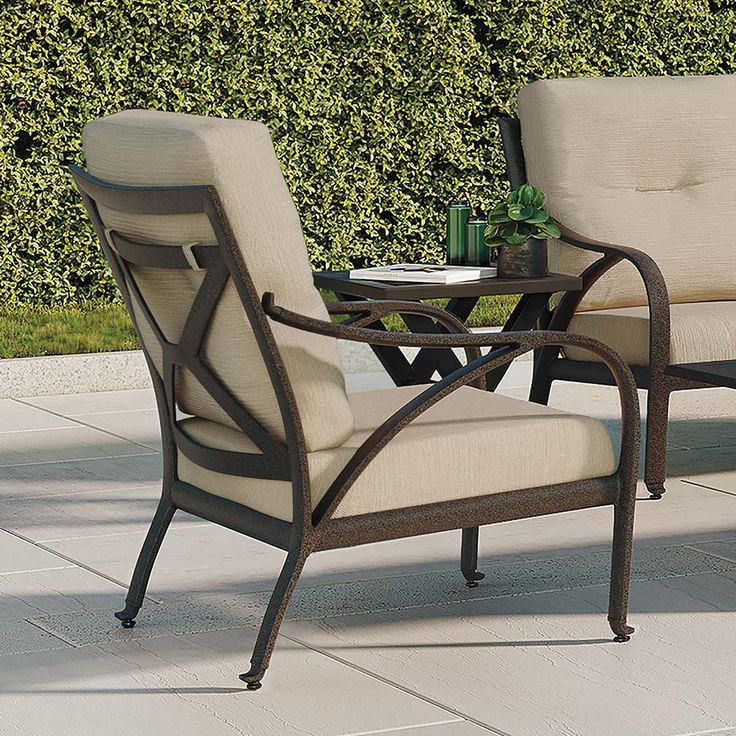
When selecting pieces, prioritize weight and stability. Lightweight resin wicker, while convenient, often lacks the gravitas of stone or metal. Look for pieces with a substantial base that anchor the furniture to the ground, preventing the shifting caused by wind. This commitment to stability is perhaps the most significant lesson from the ruins; the furniture was meant to last, to remain a fixed part of the landscape for generations. By choosing weighty, well-constructed pieces, you ensure that your outdoor space feels permanent and rooted, rather than temporary and disposable.
The Modern Interpretation of a Classic Legacy
Today’s market offers a wide array of products that draw direct inspiration from Pompeii, allowing homeowners to curate a space that feels historically informed yet entirely relevant. Cast aluminum pieces mimic the scrollwork and geometric patterns found in ancient metalwork, while concrete tables capture the rugged beauty of tufa. The key to a successful installation lies in curation rather than accumulation. A single, well-placed side table or a thoughtfully arranged seating cluster can channel the spirit of antiquity without overwhelming the modern sensibility of your home.
Ultimately, embracing Pompeii outdoor furniture is about more than decorating a patio; it is about connecting with a legacy of living well outdoors. It is a reminder that the goal of design is not just to furnish a space, but to cultivate an experience. By integrating these time-tested principles of durability, symmetry, and material honesty, you can create an outdoor environment that feels both deeply rooted in history and perfectly suited for modern life.


Related Articles

Premium Patio Furniture: Upgrade Your Outdoor Space
Picture this: lush greenery, the sun kissed warmth on your skin, and the gentle hum of nature's symphony. That's the scene premium patio furniture helps you...

Transform Your Outdoor Space: 50+ Stunning Patio & Terrace Ideas for 2023
Ever dreamed of transforming your outdoor space into a serene retreat, a vibrant gathering spot, or a cozy dining nook? With the right patio terrace ideas, you...

Elevate Your Space: Stunning Outdoor Patio Cabanas
Imagine transforming your backyard into a personal oasis, a serene retreat from the bustling world. This dream can become a reality with outdoor patio cabanas...

Patio Roof Extension Ideas: Transform Your Outdoor Space
Imagine transforming your patio into a seamless extension of your living space, shielded from the elements yet bathed in warmth and light. A patio roof...

Revitalize Your Space: Expert Guide to Deep Clean Outdoor Furniture
Spring has sprung, and it's time to reclaim your outdoor space! While the winter months have been cozy indoors, your outdoor furniture has been braving the...

Modern Paver Patio Design: Upgrade Your Outdoor Space
Imagine transforming your backyard into an inviting, functional space where you can enjoy the outdoors in style. This is not a distant dream but a reality with...