Indoor Tulip Planting: Tips for Blooming Beauty
Revitalize your indoor space with a splash of color and life this season by planting tulips indoors. This vibrant bulbous plant, traditionally associated with spring, can brighten up your home during any time of the year with its captivating hues and elegant stems. Let's delve into the art of growing tulips inside, exploring the ideal growing conditions, planting process, and maintenance tips that will help you create an indoorflower haven.
Before we dive into the specifics, it's essential to understand that tulips are seasonal bloomers. They require a specific photoperiod and temperature to stimulate flowering. By replicating these conditions indoors, we can witness the magnificent process of these beauties coming to life, transforming our homes into a blossoming paradise.
The Perfect Indoor Environment for Tulips
Selecting the right spot for your tulips indoors is crucial for their growth and bloom. As they originated from temperate zones, they thrive in cool, well-lit environments. south-facing windows are ideal as they offer ample sunlight, while eastern and western windows provide moderate light suited for tulips as well.


The optimal temperature range for indoor tulip growing is between 50°F to 65°F (10°C to 18°C) during the day and slightly cooler at night. Maintaining these temperatures, along with high humidity levels, will juxtapose the tulips' natural growing conditions, prompting them to blossom.
Choosing the Right Containers and Soil
Tulips require well-draining potting mixture to prevent root rot. A combination of three parts peat moss, three parts loam, and two parts Perlite creates a perfect, well-aerated soil mix for tulips. Alternatively, you can use commercial potting soil supplemented with perlite for better drainage.

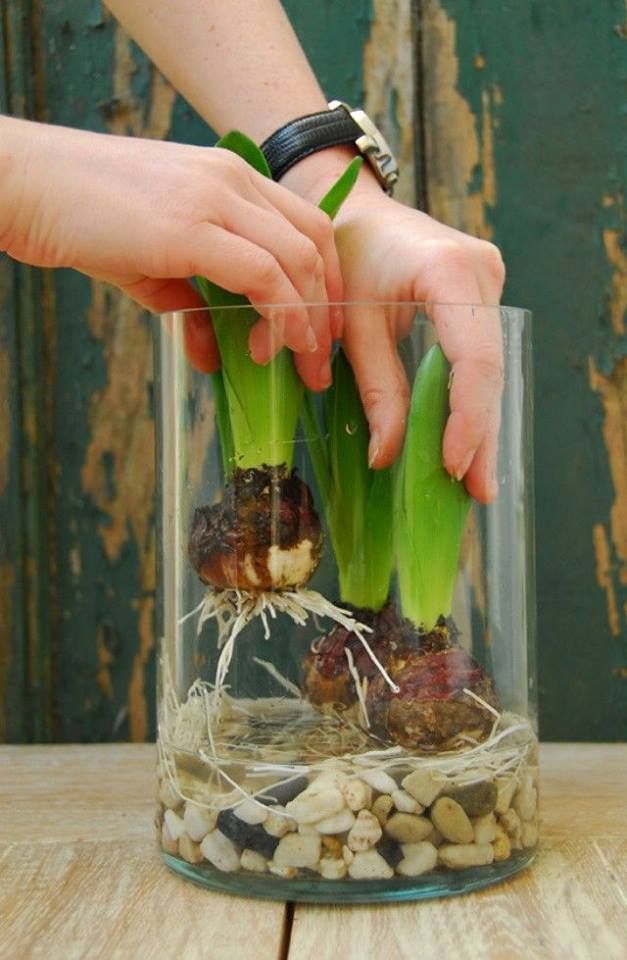

Select a pot with good drainage and at least a 6-inch diameter to accommodate the bulb's size. The container should be deep enough to support the bulb with the root plate (the flat base of the bulb) resting against the bottom, and the pointed end facing upwards. Ensure the pot also provides ample space for growth, as tulip bulbs spread out as they grow.
Preparing the Tulip Bulbs for Planting
Before planting, examine the bulbs for any signs of damage or rot. Gently remove any soft or shriveled parts to prevent disease transmission. Then, soak the healthy bulbs in a bacterial-inhibiting solution for a few hours to deter potential diseases and pests.
Alternatively, you can dust the bulbs lightly with a fungicide powder to protect against possible fungal infections. Allow the bulbs to air dry before planting to prevent excess moisture from causing rot in the soil.


Planting Tulips Indoors: Step-by-Step
Planting tulip bulbs indoors is a straightforward process once you have all the necessary elements in place. Begin by filling the container to the desired level with the well-draining potting mixture, leaving enough space at the top for the bulb and an inch or two of soil cover.
Create a small well in the center of the soil for the tulip bulb. Place the bulb into the well, root plate down, and gently backfill with the potting mix. Ensure the bulb is fully covered, but leave a portion of the neck (the stem-like structure above the root plate) exposed to prevent rot.
Chilling and Forcing Blooms
Tulips require a chilling period to stimulate flowering. After planting, place the pots in a refrigerator or an unheated garage for 8-12 weeks, maintaining temperatures between 35°F to 40°F (2°C to 4°C). This simulation of winter suppresses the plant's growth, preparing it for the spring-like conditions that will trigger blooming.
Once the chilling period is complete, move the pots to a cool, brightly lit location indoors – ideally a south, east, or west-facing window. The increased light and gradually rising temperatures will signal to the tulips that it's time to grow and bloom. Keep the soil consistently moist throughout this process, using a watering can with a fine rose to avoid washing away the bulbs.
Care and Maintenance after Blooming
Tulips can re-bloom indoors, but they may not be as prolific as the first time. To encourage re-blooming, after the flowers have faded, cut the flower stems back to the base of the plant. Continue to provide optimal growing conditions, including the chilling period, for the following season.
Alternatively, you can enjoy the annual blooms and focus on growing new bulbs the following year. After the blooming season, allow the plant to go dormant and eventually replant fresh bulbs for a new round of indoor blooms.
Embrace the joy of watching nature unfold within your home by planting tulips indoors. With proper care and attention, you can create a spectacular indoor display of vibrant colors and captivating scents that will uplift your mood and elevate your living space.
Related Articles

Tulip Planting Guide: When & How to Grow Them in Florida
Are you dreaming of a vibrant, colorful spring in your Florida garden? Tulips are a beautiful addition, but they require careful timing due to Florida's unique...

"Caring for Cyclamen: Expert Tips for Indoor Cultivation"
cycle in one's wardrobe. But when it comes to cyclamen, the rules shift. This beautiful, seasonal blossom is a delight indoors. Let's explore how to keep...

Asparagus Fern: Blooming Beauty Care Tips
Have you ever seen your asparagus fern (Asparagus densiflorus) burst into a stunning display of tiny, white flowers? This is a delightful event that gardeners...

Extend Orchid Blooms Indoors: Post-Bloom Care Tips
So, your orchid has painted its masterpiece in a riot of color and now stands proudly, blooms a-fade. But don't think it's reached the end of its lupine line...
Can You Induce Tulip Bloom Indoors?
Are you dreaming of a home bursting with vibrant colors despite limited outdoor space? Tulips, those perennial garden favorites, might be the answer. But can...

Tulip Poplar Planting Guide: Grow & Care Tips for Lush Results
The tulip poplar, with its towering height and vibrant, yellow spring blooms, is a magnificent addition to any landscape. Native to the eastern United States...