Metal Roof Maintenance: Essential Tips for Longevity & Weather Resistance
Your metal roof is engineered to withstand the elements for decades, but like any investment, it requires attentive care to reach its full lifespan. Consistent metal roof maintenance protects against the small issues that can grow into expensive structural problems, preserving both its function and its curb appeal. Understanding the seasonal threats and establishing a simple inspection routine helps homeowners avoid unexpected leaks and repair costs. Viewing your roof as a long-term system rather than a static covering shifts the focus from emergency fixes to proactive preservation.
Why Ongoing Maintenance Matters for Metal Roofs
While metal is inherently durable, neglecting small concerns can undermine its legendary resilience over time. Dirt accumulation, unchecked moisture, and physical abrasion create conditions that compromise protective coatings and expose the substrate to corrosion. Addressing these factors early prevents the kind of widespread damage that demands partial or full replacement. A structured maintenance schedule safeguards your financial investment by extending the roof's service life and maintaining its energy efficiency. With a few deliberate checks each year, you ensure the roof continues to defend your home against wind, rain, and temperature swings.
Seasonal Inspection and Cleaning Practices
Seasonal changes introduce specific stressors that vary throughout the year, making regular inspections essential. In the fall, clear gutters and downspouts to prevent water backup that can pool around fasteners and seams. Winter inspections focus on identifying areas where ice dams might form, potentially trapping moisture under snowpack. Spring and summer are ideal for checking for any loose panels, damaged flashing, or areas where vegetation might take root and trap humidity against the surface. By aligning your checks with these natural cycles, you address vulnerabilities precisely when they are most likely to appear.


Safe Cleaning Techniques and Tools
Cleaning a metal roof requires a gentle approach that removes debris without damaging the protective surface. Low-pressure rinsing with a garden hose is usually sufficient to clear loose dirt and organic matter from the panels. For areas with moss or algae, a solution of water and mild detergent applied with a soft-bristled brush is effective without risking surface erosion. Always rinse from the top down to prevent dirty runoff from streaking across clean sections. Avoid high-pressure washers, wire brushes, or harsh chemical cleaners, as these can scratch panels and strip anti-corrosion treatments.
Addressing Fasteners, Flashing, and Sealants
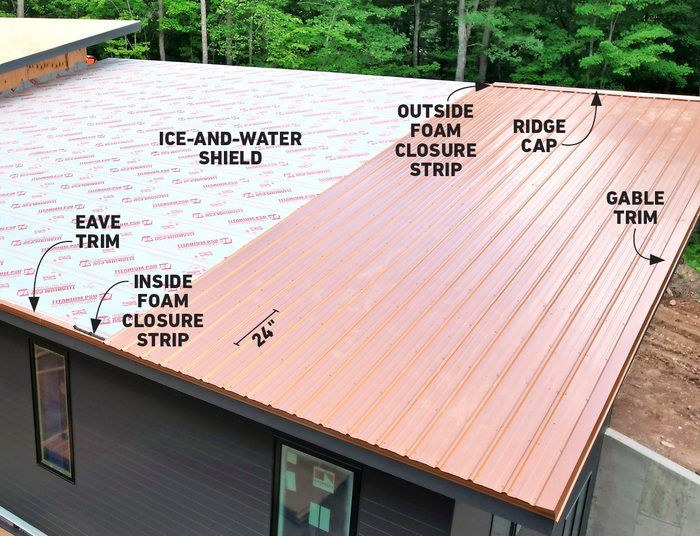
The long-term integrity of a metal roof depends on its smallest components, so fasteners and flashing demand close attention during inspections. Check screws and nails to ensure they remain tight and have not backed out of their holes, creating openings for water intrusion. Look around chimneys, vents, and skylights for the flashing, confirming that the seals are intact and there are no cracks allowing water to channel beneath the metal. Replacing deteriorated sealant and tightening fasteners when necessary is a cost-effective way to stop minor issues before they escalate into major leaks.


Recognizing Early Signs of Wear
Homeowners can spot potential problems early by knowing what visual cues to watch for during routine checks. Look for areas where the protective paint or coating has chipped or faded, as exposed metal is vulnerable to rust formation. Pay attention to any visible dents or scratches, particularly in regions prone to hailstorms or falling branches. Discoloration or streaking can indicate moisture retention due to blocked drainage paths. Catching these signs early allows for targeted repairs that preserve the structural and aesthetic qualities of the roof.
Professional Assessments and Long-Term Planning
Scheduling a professional inspection every few years provides an expert evaluation that complements your own visual checks. A qualified contractor can identify subtle issues, such as minor flexing in the panels or slight shifts in the framing that are difficult to detect from the ground. They can also assess the condition of the underlayment and insulation, which play a critical role in the roof's overall thermal performance. Using these professional insights, you can create a long-term maintenance plan that prioritizes budget and timelines, ensuring the system remains reliable for years to come.
Common Mistakes to Avoid in Metal Roof Care
Even with the best intentions, certain missteps can inadvertently shorten the life of a metal roof. Using a pressure washer on its highest setting is a common error that can deform panels and blast away protective granules. Another mistake is walking on the roof without proper support, which can cause dents or misalignments in the panels. Homeowners sometimes ignore small leaks in the hope that they will resolve on their own, allowing moisture to spread damage beneath the surface. Avoiding these pitfalls and sticking to gentle, proactive measures keeps the roof in optimal condition and protects your home.




Related Articles

Proper Rifle Maintenance: Essential Tips for Peak Performance & Longevity
Owning a rifle carries with it the responsibility of stewardship. Beyond the thrill of the range or the hunt lies the quiet discipline of maintenance, the...

Nissan Altima Tire Maintenance: Essential Tips for Longevity & Safety
Keeping your Nissan Altima’s tires in optimal condition is one of the most effective ways to ensure safety, performance, and longevity for your sedan. Tires...

Metal Stair Detail: Essential Design Elements And Safe Building Tips
Metal stair details are a critical aspect of any architectural or construction project that involves staircases. They not only ensure the safety and stability...

Expert Terrazzo Floor Maintenance Tips for Shine & Longevity
Terrazzo floor maintenance is the specialized practice of preserving the beauty and integrity of this timeless, aggregate-based flooring. Often seen in grand...

Trailing Heart Plant Care: Easy Maintenance Tips
The trailing heart plant, scientifically known as Coryphaela radicans , is a stunning addition to any indoor or outdoor space, particularly renowned for its...

Rose Sunlight Requirements: Essential Tips for Optimal Growth
Embarking on the journey of gardening, have you ever wondered about the specific needs of roses, those regal blooms that grace our gardens with their vibrant...