Best Keurig Knock Off Deals 2024: Top Budget-Friendly Alternatives
For many coffee enthusiasts, the iconic single-serve brewer delivers a reliable caffeine fix with minimal cleanup. Yet the official machines and pods come with a premium price tag that can feel difficult to justify over time. This reality pushes budget-conscious consumers toward a parallel market, where a keurig knock off promises the same convenience at a fraction of the cost.
The Appeal of Affordable Alternatives
The primary driver behind the search for a keurig knock off is simple economics. Original equipment and proprietary pods create a recurring expense that adds up month after month. Third-party manufacturers enter this space to break that financial barrier, offering hardware and capsules that mimic the experience without the brand markup.
These alternatives often target users who want to enjoy a standard cup of coffee, tea, or hot chocolate without committing to the ecosystem of a specific corporation. The appeal is rooted in accessibility, allowing more people to participate in the single-serve revolution without the brand loyalty tax.


How Clones Compare to the Original Design
Physically, a keurig knock off frequently mirrors the silhouette of the genuine article, utilizing the same mug-sized footprint and placement mechanics. However, the internal engineering can vary significantly, leading to differences in heating precision and pressure consistency.
Performance and Reliability Factors
While some high-end clones invest in quality components, many budget versions struggle with temperature accuracy. Brewing water that is too cool results in a weak, under-extracted beverage, while machines with poor pressure can fail to deliver the rich texture associated with the original design.


| Feature | Official Machine | Typical Knock Off |
|---|---|---|
| Price Point | Higher Initial Investment | Lower Entry Cost |
| Build Quality | Durable Plastic/Metal | Variable, Often Plastic |
| Pod Compatibility | Proprietary Only | Often Multi-Pod |
| Sealing Mechanism | Consistent & Reliable | May Leak or Misalign |
The Debate Over Compatibility
One of the loudest marketing points for a keurig knock off is the promise of universal compatibility. Rather than being locked into one brand, these machines often claim to accept any pod shape, including reusable fillable options.
This flexibility is a double-edged sword. While it frees the user from a specific vendor, it can also lead to messy accidents if the pod seal does not align perfectly with the piercing needle. Users must handle these devices with care to avoid coffee grounds spilling into the internal mechanics.
Navigating the Risks and Drawbacks
Owning a machine that falls outside the official product line comes with inherent risks that extend beyond performance. Warranty support for the device itself is usually non-existent, meaning internal failures often result in immediate disposal.


- Electrical safety certifications may be inconsistent compared to regulated brands.
- Long-term durability is usually lower due to the use of cheaper materials.
- Customer support is typically limited to generic email exchanges or non-existent.
- The resale value of these machines is virtually zero due to brand dilution.
The Legal Gray Area
Intellectual property law creates a complex landscape for these devices. Manufacturers of a keurig knock off must carefully avoid trademarked branding elements, resulting in machines that look similar but are technically distinct products.
This legal tension means that patents and design rights are constantly shifting targets. A model that is available today might disappear tomorrow due to a lawsuit, leaving consumers with a broken unit and no recourse.
Environmental and Ethical Considerations
While the original Keurig brand has made strides in recycling programs, the generic market rarely addresses waste management. The pods associated with these machines are frequently non-recyclable plastic, contributing to landfill waste.


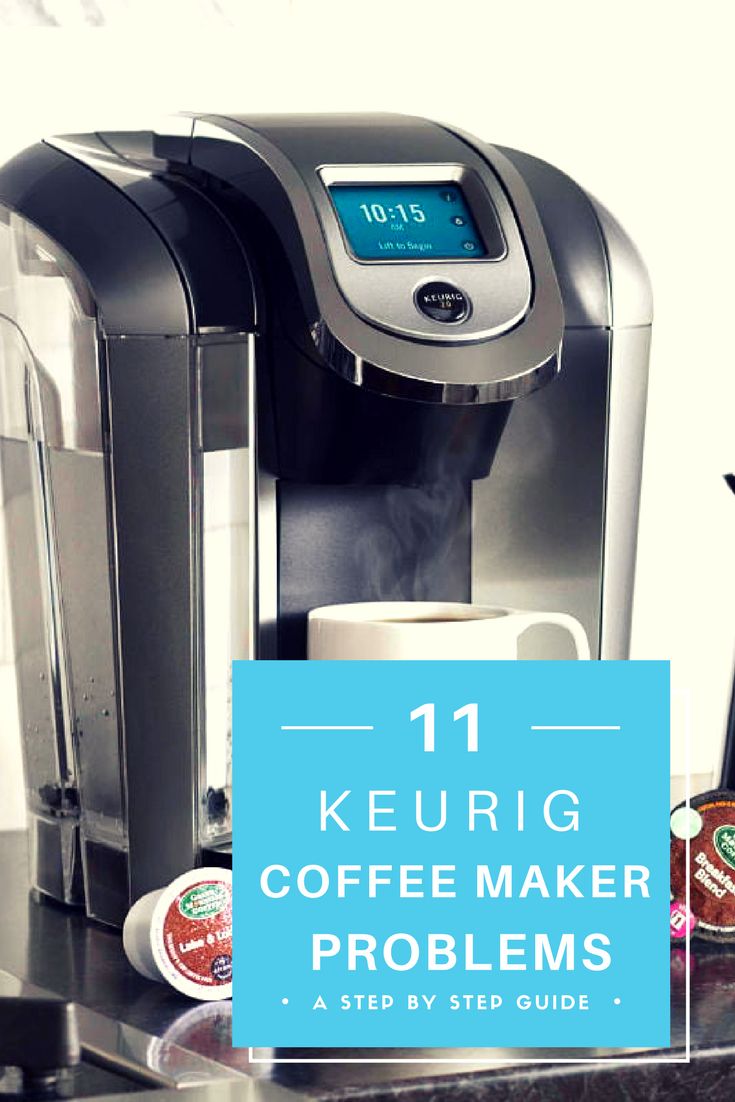


Consumers choosing the cheapest option must weigh the savings against the ecological footprint. Investing in a durable machine that supports reusable pods is often a more sustainable path, even if the initial cost is slightly higher.
Making an Informed Decision
Deciding whether to pursue a keurig knock off requires a careful assessment of personal priorities. If the absolute lowest price is the only metric, the risk of mechanical failure and inconsistent brews is a given.
Viewing the purchase as an experiment rather than a permanent solution usually leads to a more satisfying experience. Treat the device as a temporary bridge until a more reliable investment can be made.
Related Articles
Top-Rated Keurig Knock Off 2024: Budget-Friendly Picks
For many coffee enthusiasts, the Keurig brand represents the pinnacle of convenient, single-cup brewing. The signature brewing process, the satisfying click of...

Best Alternative to Keurig 2024: Eco-Friendly & Budget-Friendly Coffee Makers
For many coffee drinkers, the Keurig is a household staple, offering a fast, convenient path to a single cup of coffee. Yet, that very convenience often comes...

Smallest K Cup Brewer Reviews 2024 – Compact Keurig Alternatives
For the minimalist coffee enthusiast or the professional operating in a tight kitchen, the quest for the perfect cup often leads to the compact realm of the...

Best Deals on Buying Tile Online: Shop Now!
In the age of digital convenience, purchasing tiles for your home improvement projects has never been easier. Buying tile online has swiftly become a popular...

"Green Monday's Best Deals: Up to 60% Off Now"
Heads up, eco-conscious shoppers! Black Friday might be over, but another fantastic shopping event is just around the corner: Green Monday. This holiday, which...

Best Sofas Under $300: Budget-Friendly Comfort
On a tight budget but in need of a comfortable and stylish sofa? You're not alone. Furnishing a home can be expensive, but it's still possible to find...