Is There Gold in a Computer? Uncover the Hidden Treasure!
When you look at the sleek design of a laptop or the intricate circuitry of a motherboard, it is natural to wonder about the hidden value within. Is there gold in a computer? The short answer is yes, but the reality is far more nuanced than a simple treasure hunt. While consumer devices do not contain gold nuggets, the precious metal plays a critical and irreplaceable role in the function of modern electronics, acting as the silent conductor inside the machine.
The Role of Gold in Electronics
Gold is not used in computers for aesthetic appeal or as a status symbol; its inclusion is purely functional. The primary reason gold is used is its exceptional conductivity. Unlike base metals, gold does not corrode or oxidize over time, which means it maintains a stable and reliable connection. This property is vital for ensuring that data flows seamlessly between components without interruption or signal loss.
Where You Can Find It
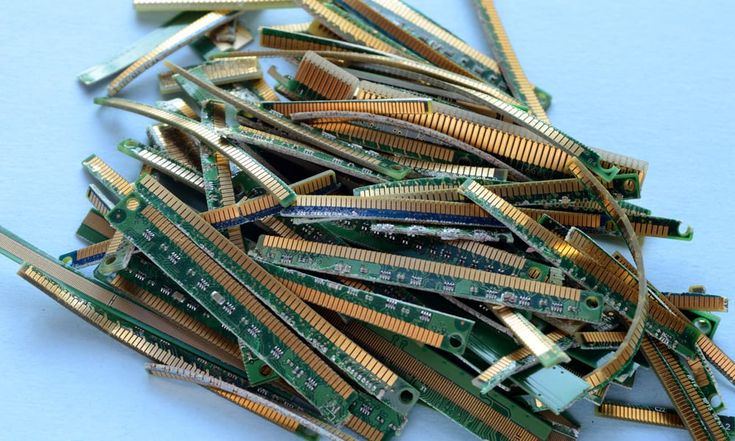
You won't find gold in the plastic casing or the standard screws of a computer. Instead, it is concentrated in the places where maximum efficiency and reliability are required. Typically, you can find traces of gold in the following specific components:


- The edge connectors and fingers of printed circuit boards (PCBs).
- The contacts within central processing units (CPUs) and graphics processing units (GPUs).
- The read/write heads of traditional hard disk drives (HDDs).
- The switches and connectors of internal expansion slots.
Why Gold is Indispensable
Imagine a connector that degrades every time you plug in a cable. Over time, rust and friction would cause the device to malfunction. Gold solves this problem because it is an inert metal. It provides a highly reliable surface that ensures consistent electrical contact, which is essential for the stable operation of high-speed processors and memory chips. Without gold, the risk of failure due to corrosion or wear would increase significantly, leading to shorter device lifespans and frustrating user experiences.
Quantity and Value
While gold is present, the quantity found in a single device is minuscule. You will not find enough gold in a standard desktop computer to fill a teaspoon. The amount is measured in grams per thousand, often in the form of microscopic plating. Consequently, the raw gold value inside a typical laptop or phone is relatively low, usually only a few dollars at current market prices. The true value of the device lies in the sophisticated engineering of its silicon components, not in the precious metal used to connect them.


| Component | Approximate Gold Content |
|---|---|
| Desktop Motherboard | 0.1 to 0.2 grams |
| Laptop Motherboard | 0.1 to 0.15 grams |
| Smartphone Motherboard | 0.03 to 0.05 grams |
The Lifecycle of Gold in Technology
Gold has a unique lifecycle in the tech world. It is mined, refined, and fabricated into thin plating, integrated into a computer for years of service, and then often extracted again during the recycling phase. This process highlights the difference between in-use gold and above-ground gold reserves. Because it is so durable and does not degrade, gold retains its properties through countless cycles of use and recovery, making it one of the most sustainable materials in modern manufacturing.
Looking Beyond the Computer
While the question "is there gold in a computer" focuses on personal devices, the presence of the metal is even more significant in specialized industrial equipment. From satellites and microwave transmitters to medical imaging devices, the technology that supports our world relies on gold to function flawlessly. Understanding this helps us appreciate the material not just as a financial asset, but as a cornerstone of technological progress that quietly enables the digital age.




Related Articles

Unveiling the Prunus Serrula's Hidden Treasure
Ever heard of the Prunus Serrula tree, often hailed as the 'paperbark' tree? It's renowned for its stunning, peeling bark, but what about its fruit? Let's...

Treasure Island Construction: Your Path to Rediscovering Hidden Gems
Nestled in the heart of a sparkling blue sea, Treasure Island Resort & Casino has long beckoned thrill-seekers and sun-worshippers alike. But how did...

Thrift Store Treasures: Hidden Gems Await!
Buried beneath racks of_used clothes_ and behind piles of vintage records lies a world of untapped potential: the humble thrift store. Seasoned treasure...

Hidden Office: Transform Closet into Computer Desk Space
Transforming underutilized closet spaces into functional workstations is a growing trend, especially in compact living situations. Here, we'll focus on turning...

Antique Value App: discovers hidden treasure in your home
In the vast world of collecting and trading antiques, enthusiasts often face a common challenge: determining the true value of their vintage treasures. This is...

Old Street Records London: Discover London's Hidden Treasure
Nestled in the heart of London, Old Street Records is a name that's become synonymous with the city's vibrant music scene. This isn't just a record store; it's...