High Side vs Low Side: Complete Refrigerant System Guide
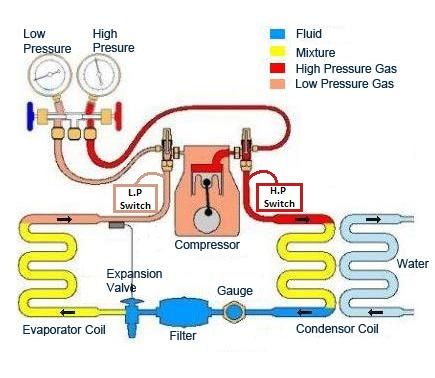
Understanding the dynamics of a high side low side refrigerant system is essential for any HVAC professional or enthusiast looking to grasp the intricacies of thermal management. This specific configuration delineates the operational zones within a refrigeration cycle, separating the high-pressure, high-temperature section from the low-pressure, low-temperature section. The division is typically marked by the compressor and the expansion valve, serving as critical boundary points that define system performance and efficiency.
Defining the High Side and Low Side
The fundamental principle of a refrigeration cycle relies on the phase transition of a refrigerant to transfer heat. In this context, the high side encompasses everything from the discharge outlet of the compressor to the inlet of the expansion valve. Conversely, the low side covers the area from the outlet of the expansion valve to the inlet of the compressor. This distinction is not merely academic; it dictates pressure differentials, temperature gradients, and the physical state of the refrigerant, whether it exists as a superheated vapor or a cold liquid mixture.
Pressure and Temperature Dynamics
On the high side, the refrigerant is under immense pressure, often exceeding 2000 PSI in commercial systems, and has been heated significantly due to the work of the compressor. This high-pressure, high-temperature gas must then pass through the condenser, where it releases heat to the ambient environment and condenses into a high-pressure liquid. Moving to the low side, the pressure plummets as the refrigerant passes through the expansion device, causing a rapid drop in temperature. Here, the cold low-pressure liquid absorbs heat from the space being cooled, evaporating back into a gas before returning to the compressor to restart the cycle.


| Parameter | High Side | Low Side |
|---|---|---|
| Pressure Range | High (Condensing Pressure) | Low (Evaporating Pressure) |
| Temperature State | High Temperature Gas/Hot Liquid | Low Temperature Liquid/Vapor |
| Key Components | Compressor, Condenser | Expansion Valve, Evaporator |
The Critical Role of the Compressor
The compressor is the heartbeat of the high side low side refrigerant system, acting as the primary driver for the entire process. By mechanically compressing the refrigerant vapor, it elevates both its pressure and temperature, creating the necessary conditions for heat rejection in the condenser. The efficiency and reliability of the compressor directly influence the system’s Coefficient of Performance (COP), making its maintenance and selection paramount for optimal operation.
Navigating the Condenser and Evaporator
Following the compressor, the high-pressure refrigerant enters the condenser, a heat exchanger designed to reject thermal energy. Here, the refrigerant transitions from a superheated vapor to a subcooled liquid, a process that is crucial for the stability of the high side. On the low side, the evaporator serves as the cooling interface. By allowing the low-boiling-point refrigerant to evaporate, it draws heat from the conditioned space, achieving the desired cooling effect. The efficiency of these two components is vital for the overall efficacy of the system.


Diagnosing System Imbalances
When troubleshooting a high side low side refrigerant system, technicians look for anomalies in the pressure and temperature readings between the two zones. Common issues include a malfunctioning expansion valve, which can disrupt the pressure balance, or a failing compressor, which fails to achieve the necessary discharge pressure. Observing the state of the refrigerant at various points allows for precise diagnosis, ensuring that the high side remains distinct from the low side and that the cycle operates smoothly.
Optimizing System Efficiency
To maximize the efficiency of a high side low side refrigerant system, maintaining the correct refrigerant charge and ensuring proper airflow across both the condenser and evaporator are critical steps. Regular monitoring of the superheat and subcooling values provides insight into the health of the system. By keeping the high side clean and the low side free of obstructions, technicians can ensure that the system operates within its designed parameters, minimizing energy consumption and maximizing longevity.




Related Articles

How to Safely Remove Refrigerant from Your AC System (Step-by-Step Guide)
Removing refrigerant from an air conditioning system is a critical procedure that demands precision, safety, and a solid understanding of environmental...

10 Best Yoga Mats: Complete Recommendations & Buying Guide
Do you find yourself constantly scouring the internet for the perfect yoga mat, only to be overwhelmed by an array of options? You're not alone. With a range...

Taylor Swift's Cornelia Street Apartment Address: A Complete Guide
Taylor Swift, the global sensation in the music industry, has captivated fans worldwide with her hits and charismatic persona. Her New York City abode, located...

"Decorating Style Guide: Your Complete Interior Design Blueprint"
Embarking on a home decorating journey? You're in the right place! Before diving into the vibrant world of cushions and paint pots, it's vital to understand...

Install Crown Moulding Top & Bottom: A Complete Guide
Ever wondered how to elevate the aesthetics of your room? The answer may lie in a simple yet elegant architectural element: crown moulding. But what if you're...

Mint Plant Germination Tips: A Complete Guide
The invigorating scent of mint wafting through your garden is a testament to the success of introducing these hardy plants into your green space. However...