Essential Gardening Tool Names Every Green Thumb Needs
Understanding gardening tool names is the first step toward building a capable and efficient outdoor space. Every dedicated gardener knows that the right implement transforms a chore into a pleasure, and that journey begins with learning the specific nomenclature. From the humble trowel to the complex rototiller, the language used to describe these instruments is precise and rooted in centuries of horticultural tradition. This guide serves to demystify that terminology, providing clarity for both novices and seasoned hands looking to refine their craft.
The Anatomy of a Basic Hand Tool
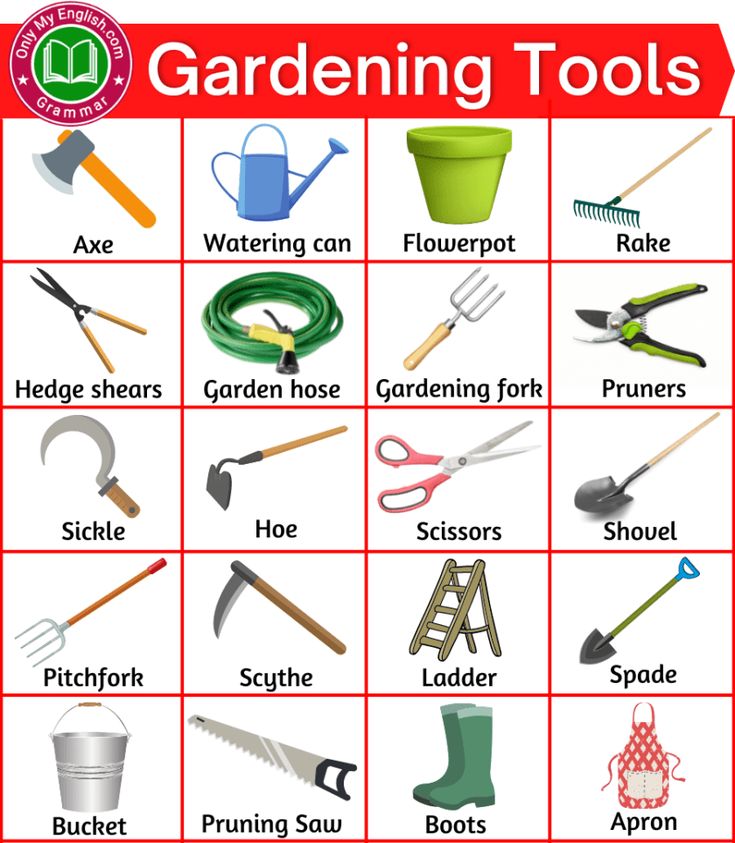
Before delving into specialized categories, it is essential to familiarize yourself with the fundamental gardening tool names that form the backbone of any kit. These implements are extensions of the gardener’s own hands, requiring a tactile relationship with the soil. Mastery of these core items ensures that tasks like planting, weeding, and pruning become intuitive and effective.
Core Digging and Cultivating Implements
When we think of connecting with the earth, the images that come to mind are often defined by a few key gardening tool names. These tools are designed to break ground, turn compost, and create the loose, aerated medium seeds need to germinate.


- Shovel: Characterized by its pointed, slightly concave blade, the shovel is the workhorse for moving bulk materials like soil or gravel.
- Spade: Distinguished by its flat, rectangular blade, the spade is designed for slicing through sod and creating clean edges for beds.
- Garden Fork: Featuring sturdy, rounded tines, this tool is ideal for breaking up compacted soil without inverting layers.
- Hoe: An ancient implement used primarily for breaking up soil crust and removing weeds by slicing just below the surface.
Cutting and Pruning Essentials
As plants grow, the need to shape, remove deadwood, and encourage healthy growth becomes paramount. The gardening tool names associated with cutting implement vary based on the force required and the precision needed.
- Pruning Shears (Secateurs): These scissor-like tools are the go-to for cutting stems up to 3/4 inch in diameter.
- Loppers: Essentially long-handled pruning shears, loppers provide the leverage needed to cut branches up to 2 inches thick.
- Hedge Shears: Used exclusively for trimming and shaping hedges and shrubs, these tools create uniform lines.
- Saw: For branches too thick for loppers, a pruning saw—with its aggressive, curved teeth—is the necessary tool.
Specialized Cultivation and Maintenance Tools
Beyond the basics, the world of gardening tool names expands to include implements designed for specific tasks. These items cater to the minutiae of garden care, addressing issues like aeration, weeding, and harvesting. Understanding these names allows for a more targeted approach to maintenance.


Weeders and Soil Aeration
Weeds are the persistent foe of the cultivated garden, leading to the development of highly specific gardening tool names. Similarly, tools dedicated to aeration help combat soil compaction, ensuring roots receive the oxygen they need.
- Dandelion Digger: A slender, pointed tool designed to penetrate deep taproots.
- Hand Cultivator: A claw-shaped implement used to scratch the soil surface, breaking up crust and incorporating amendments.
- Core Aerator (Manual): A device removed from the soil to create plugs, alleviating compaction.
Watering and Application Equipment
Consistent moisture is vital, and the gardening tool names associated with water delivery reflect the evolution from simple buckets to sophisticated systems. Choosing the correct implement ensures water is distributed efficiently without waste.
- Watering Can: A portable container with a narrow spout for targeted watering at the base of plants.
- Hose Nozzle: An attachment that modifies the water stream, offering settings from a gentle shower to a powerful jet.
- Sprinkler: A device that disperses water over a wide area, mimicking natural rainfall.
Power Tools and Modern Innovations
The modern garden has embraced mechanization, introducing a new set of gardening tool names that prioritize efficiency and reduce physical labor. While some traditionalists may prefer manual implements, the time-saving benefits of these machines are undeniable for larger properties.
Mechanical and Engine-Driven Implements
These pieces of equipment represent the intersection of engineering and agriculture, allowing gardeners to tackle jobs that would be impossible by hand. The terminology here often borrows from general machinery but is specific to the landscape context.


- Rototiller: A motorized machine that churns the soil deeply, preparing large areas for planting.
- String Trimmer (Weed Whacker): A device utilizing a flexible nylon line to cut grass and weeds in areas inaccessible to mowers.
- Leaf Blower: A machine that uses forced air to clear debris, though its use is often debated among gardening purists.
Material Science and Tool Longevity
When exploring gardening tool names, one cannot ignore the materials that give these implements their function. The evolution from wood and iron to modern composites has changed the durability, weight, and feel of every tool in your shed. Knowing the construction helps you understand the purpose and care required for each name.
| Tool Category | Traditional Material | Modern Material | Impact on Use |
|---|---|---|---|
| Hand Shovels/Spades | Wood & Cast Iron | Fiberglass Handles & Stainless Steel | Reduced weight, resistance to rust, and increased longevity. |
| Pruning Shears | Carbon Steel | Bypass Titanium Coatings | Smoother cuts, sap resistance, and maintained sharpness longer. |
Selecting the Right Implements for Your Domain
With the vast array of gardening tool names now familiar, the final challenge is selection. The size of your space, the types of plants you cultivate, and your physical capabilities should dictate which tools earn a place in your outdoor arsenal. Investing in quality instruments for the core functions pays dividends in performance and enjoyment for years to come.
Whether you are nurturing a windowsill herb garden or managing a sprawling estate, the language of your tools connects you to a timeless practice. By understanding these names and functions, you equip yourself not just with equipment, but with the knowledge to unlock the full potential of your garden.




Related Articles

Ultimate Gardening Tool Gifts: Perfect for Every Green Thumb
Gardening is a rewarding hobby that brings joy to both the giver and receiver. If you have a green-thumbed loved one in your life, consider gifting them some...

Essential Chinese Gardening Tools for Your Green Thumb
Immerse yourself in the serene beauty of Chinese gardening, an art form that harmonizes nature, culture, and philosophy. But to cultivate your own tranquil...

Mastering DIY Gardening: Essential Tools Every Enthusiast Needs
Embarking on a DIY gardening project is an exciting journey that transforms your outdoor space into a sanctuary. At the heart of any successful gardening...

Essential Gardener's Toolbox: Top Tools for Every Green Thumb
In the lush, verdant world of gardening, the right tools can make all the difference, transforming a chore into a peaceful pastime. Let's dive into the garden...

Indoor Gardening Books: Master Your Green Thumb Inside
Imagine transforming your indoor space into a lush, green oasis. Indoor gardening isn't just a hobby; it's a lifestyle that brings nature indoors and boosts...
Basic Gardening Tools: Essential Gear for Green Thumbs
Embarking on the journey of gardening can be an incredibly rewarding experience, as it allows you to transform your outdoor space into a vibrant, blossoming...