Creeping Thyme Utah: Hardy Groundcover for Your Garden
Nestled among the breathtaking landscapes of Utah lies a fragrant, resilient plant known as creeping thyme. This low-growing herb is not just a delight for the senses, but also a symbol of resilience in the face of Utah's diverse climates and terrains.
Creeping thyme (Thymus serpyllum), also known as wild thyme, is a hardy perennial plant that thrives in full sunlight and well-draining soil. It's a versatile ground cover, capable of transforming rugged, rocky areas into vibrant, aromatic havens. Its tiny, soft, grey-green leaves and pinkish-violet flowers have a unique, pleasant fragrance that permeates the air when walked upon.
Cultivation and Care
Growing creeping thyme in Utah is a rewarding task for both beginners and experienced gardeners alike. Its low maintenance and ability to flourish in poor soil conditions make it an ideal candidate for rock gardens, between pavers, or as an edging plant.


Sub-topic 1A **Propagation and Planting**: Creeping thyme can be propagated from seed or by division. Seeds should be sown in early spring or autumn, while divisions can be planted out anytime from late summer to early spring. It's essential to incorporate some sand or gravel into the soil to aid drainage and encourage good root development.
Sub-topic 1B **Watering and Maintenance**: Once established, creeping thyme is drought-tolerant and requires minimal watering. Occasional pruning after flowering helps maintain a compact shape and encourages bushiness. clumsily during Utah's harsh winters, as it's highly drought-tolerant and frost-hardy - a true testament to Utah's diverse climates.


Uses in Utah Landscaping
Creeping thyme's hardiness and low growth habit make it an excellent choice for Utah's varied landscaping designs. Its ability to thrive in harsh, dry, and rocky conditions makes it a practical choice for beautifying areas seemingly inhospitable to conventional gardening.
Sub-topic 2A **Rock Gardening**: Creeping thyme's mat-like growth habit hides rocks and creates a lush, green carpet that complements the natural beauty of Utah's red rock formations. It also suppresses weeds, reducing maintenance and watering needs.
Sub-topic 2B **Pollinator Habitat**: Beyond its aesthetic appeal, creeping thyme plays a crucial role in Utah's ecosystem. Its small, nectar-rich flowers attract pollinators like bees, butterflies, and hummingbirds. Incorporating creeping thyme into your landscape can help support local biodiversity and promote healthy ecosystems.
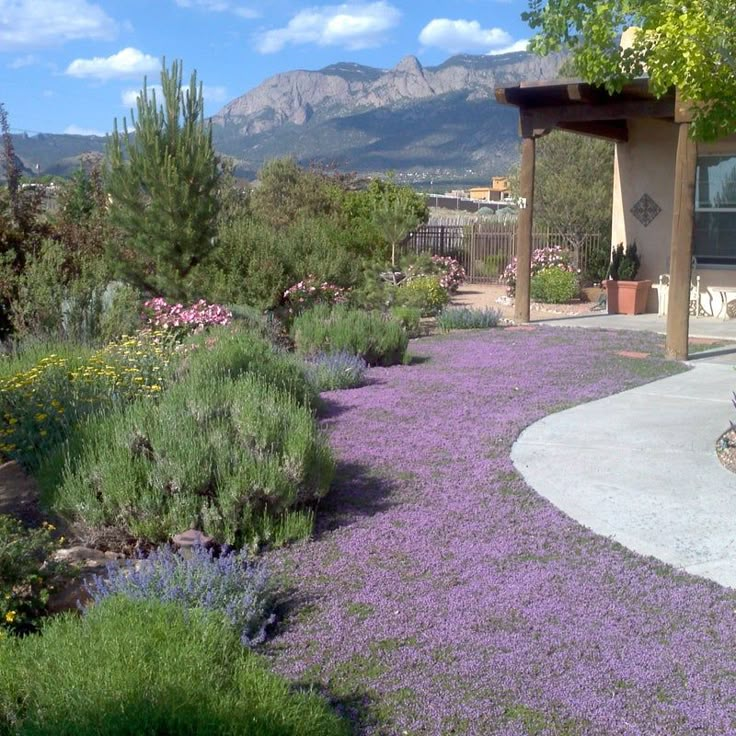


Embracing creeping thyme in Utah's varied landscapes isn't just about creating beautiful, low-maintenance spaces. It's about celebrating the state's diverse ecosystems and cultivating plants that enrich both our landscapes and local biodiversity. So, why not add this resilient, aromatic herb to your next gardening project? The rewards - both for you and Utah's ecosystem - are well worth the effort.

Related Articles

Miniature Creeping Thyme: A Compact Beauty for Your Garden
Tired of traditional lawns? Why not consider a low-maintenance, high-reward alternative? Enter Miniature Creeping Thyme, a charming and versatile ground cover...

Hardy Canna Lily: Low-Maintenance Beauty for Your Garden
The garden world is abuzz with whisper of a plant that's as stunning as it is resilient: the hardy canna lily. This isn't your average lily, oh no, it's a...

Zone 9b Plants: Top Hardy Species for Your Garden
Are you a gardening enthusiast living in zone 9b, eager to explore plant varieties that thrive in your region? Plants that grow in zone 9b, characterized by...

Hardy Geranium Color Guide: A Rainbow in Your Garden
The vibrant landscape of gardening is enriched by a robust and colorful plant: the hardy geranium. This versatile flower, known for its durability and easy...

Creeping Thyme in Part Shade: A Shaded Garden Guide
Creeping thyme, a versatile and charming plant, is a staple in many gardens due to its low-growing habit, fragrant foliage, and delicate pinkish-white flowers...

Creeping Thyme: Timing Your Blooms
Creeping thyme, a delightful perennial herb with a creeping growth habit, is a beloved addition to gardens worldwide. Known for its charming purple flowers...