Best Bug Spray for Thrips
Is your garden or home infested with tiny, hard-to-see pests wreaking havoc on your plants? You're likely dealing with thrips, microscopic insects known for their voracious appetite and rapid reproduction. To combat these pesky intruders, you'll need an effective bug spray. Let's delve into the world of thrips and explore the best bug sprays to keep them at bay.
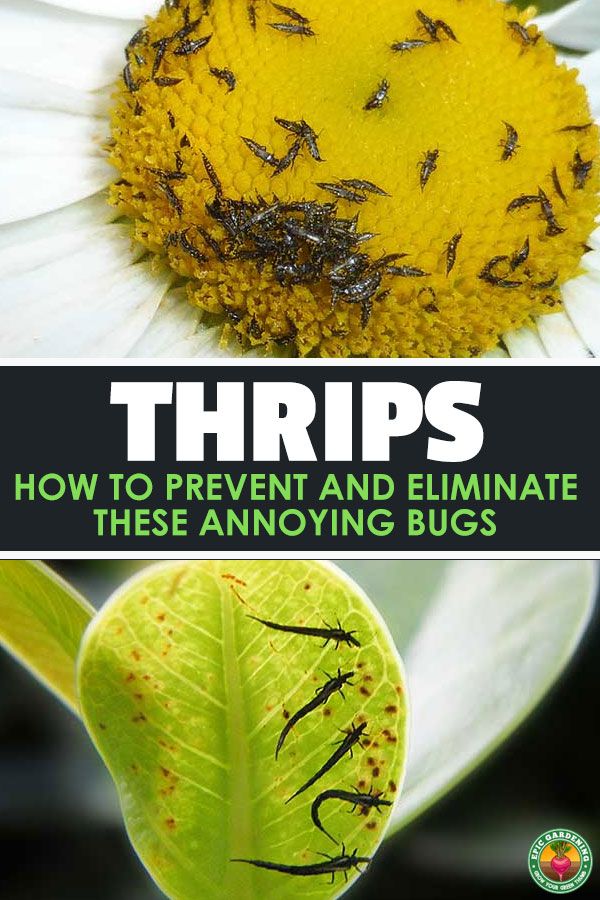
Thrips are not just small; they're incredibly small. Less than 2 mm in length, these tiny, winged insects feasting on your plants can cause significant damage. They feed on a wide range of plants, fromornamental flowers to fruits and vegetables, leaving telltale signs like silvery or distorted leaves, and black or white specks (frass) on plant surfaces.
Understanding Thrips and their Habits
Before tackling thrips, it's crucial to understand their life cycle and habits. Thrips have a rapid life cycle, with generations overlapping throughout the year in warm regions. They breed prolifically, with female thrips laying hundreds of eggs directly on plants, which hatch within a week or so.


Thrips' Preferred Environments
Thrips thrive in warm, dry conditions and are often found on the undersides of leaves or hidden within flowers and buds. They tend to congregate on younger growth and Department of Agriculture (USDA) recommends checking new transplants and young emerging plants for infestations.
Inviting Thrips into Your Space
Unknowingly, gardeners may transport thrips via infested plants, cutting tools, or dirty pots and trays. They can also enter homes through open doors and windows, attracted to lights or flowers indoors. Being aware of these entry points can help prevent infestations.


Best Bug Sprays for Thrips Control
When choosing a bug spray for thrips, consider products with contact action, as systemic insecticides aren't typically effective against thrips. Also, opt for products that are least toxic to humans and the environment.
Insecticidal Soaps and Oils
Soaps and oils work by physically disabling thrips, causing them to die off. Organic gardening enthusiasts will find these products appealing as they break down quickly and leave no residue. However, they must be reapplied frequently after watering or rainfall due to their short lifespan.
Neem Oil
Neem oil is a popular choice among gardeners due to its effectiveness against a wide range of pests, including thrips. It works by disrupting the pests' hormone system, preventing them from molting and reproducing. Neem oil has minimal impact on beneficial insects and is relatively safe for humans and pets, making it an excellent organic solution.




Preventive Measures and Organic Alternatives
Prevention is always better than cure when dealing with thrips. Regular monitoring, maintaining a clean garden, and introducing natural enemies like predatory mites and insects can minimize infestations.
Row Covers and Barriers
Physical barriers like row covers can prevent adult thrips from accessing your plants. Sticky traps can also help monitor and reduce thrips populations, as well as provide insight into their activity levels.
induced Resistance in Plants
Certain plants can trigger an innate immune response when infested by pests, making them less susceptible to damage. Incorporating plants like tomatoes, brassicas, and cucumbers that demonstrate induced resistance can help fortify your garden's defenses against thrips.

In the arms race against thrips, staying proactive and well-informed is key. By understanding their habits, choosing the right bug spray, and maintaining a vigilant defense, you can effectively protect your garden and home from these microscopic menaces.
Related Articles

Best Couch Stain Remover Spray: Quick & Easy DIY Tricks for a Spotless Sofa
Accidents happen, and sometimes they leave unsightly stains on your couch. Before you panic and consider replacing it, consider using a couch stain remover...

Rejuvenate Windows: Best Spray Paints for Frames
Is your home's curb appeal looking a bit tired? Often, the first thing people notice about a house is its windows--and unfortunately, time and the elements can...

Best Spray Bottle for Plants: Top Picks for Happy Green Thumbs
Keeping your plants thriving involves regular watering, a task made easier with the right spray bottle. But with countless options available, choosing the best...

Best Spray Air Fresheners: Top Picks for a Fresh Home
Step into any room and chances are, you'll immediately notice its scent. Whether it's pleasant or not-so-pleasing, odors can significantly impact our mood and...

Top Body Bug Sprays: Protect Yourself Today
With the advent of warmer months comes the inevitable surge in insect activity, making it crucial to arm yourself with the best bug spray for body. But with so...

Best Spray Paint for Laminate Countertops
Over time, laminate countertops can show signs of age, but a fresh coat of paint can revitalize them. Choosing the best spray paint for laminate countertops is...