Brown Spots on Dog Eye: Causes, Symptoms & Treatment
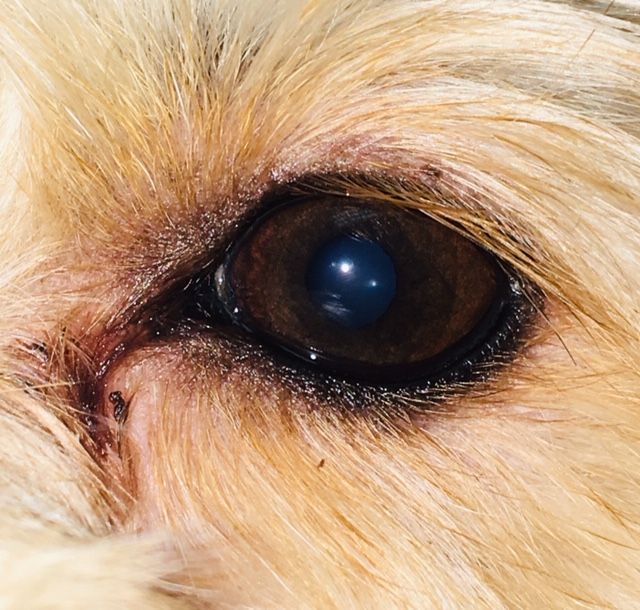
Finding a brown spot on dog eye tissue is a common concern for many pet owners. These spots can appear on the clear surface of the eye, the inner eyelid, or the surrounding area, and they vary significantly in appearance. While some are benign pigmented growths similar to a freckle, others can indicate more serious health issues requiring immediate veterinary attention. Understanding the difference between a harmless anomaly and a medical problem is crucial for maintaining your dog's vision and overall health.
Common Causes of Brown Pigmentation
Not all discoloration is cause for alarm. In many instances, a brown spot on a dog's eye area is simply excess melanin, the pigment responsible for color in skin and hair. This is particularly common in certain breeds and is usually harmless. These spots develop over time and are often compared to birthmarks or moles in humans. However, even if a spot looks benign, a professional evaluation is essential to confirm the diagnosis and rule out other conditions.
Uveal Melocytosis
Uveal melanocytosis refers to the presence of melanocytes, or pigment-producing cells, on the uvea, which is the middle layer of the eye. This condition appears as a flat, brownish discoloration on the white of the eye (sclera) or the iris. While generally benign and often seen in specific breeds like Siberian Huskies, it is important to monitor these spots. An increase in size or darkness could indicate a transformation into a malignant melanoma, necessitating aggressive treatment.


Conjunctival Nevus
A conjunctival nevus is a benign tumor that appears as a raised, brown, or black mole on the conjunctiva—the thin membrane covering the white of the eye and the inside of the eyelids. These spots are usually symmetrical and stable in appearance. They are typically painless but should be checked by a veterinarian during routine exams. Surgical removal is an option if the nevus becomes irritated or changes in shape, but many are simply monitored for life.
Serious Medical Conditions
While many brown spots are harmless, some are indicators of severe health problems that require immediate intervention. Rapid changes in size, shape, or texture are major red flags. Early detection of malignant conditions dramatically improves the prognosis and treatment options available for your dog. Ignoring these signs can lead to vision loss or the spread of disease to other parts of the body.


Melanoma in Dogs
Melanoma is one of the most concerning diagnoses associated with brown spots on a dog eye. This cancer originates from the pigment-producing cells and can be either malignant or benign. Malignant melanoma is particularly aggressive and often appears as a raised, irregularly shaped mass on the eyelid or in the eye itself. Unlike benign moles, these tumors tend to bleed, ulcerate, and cause significant discomfort for the dog. Treatment usually involves surgery, cryotherapy, or radiation to manage the growth.
Squamous Cell Carcinoma
Another serious possibility is squamous cell carcinoma, a type of skin cancer often caused by prolonged sun exposure. This cancer usually looks like a firm, raised bump or a sore that does not heal. It frequently occurs on areas with little pigment, such as the eyelids and surrounding skin. This condition is painful and can invade nearby tissues if not treated aggressively with surgery or radiation therapy.
Recognizing Symptoms and Seeking Help
Observing your dog's behavior and the physical appearance of the spot is vital for early intervention. Dogs are masters at hiding pain, so visible changes are often the only clues you have. If you notice any abnormalities, comparing them to a checklist of symptoms can help you determine the urgency of the situation. Documenting changes with photographs can also be invaluable for tracking progression and communicating effectively with your veterinarian.


When to Visit the Veterinarian
- Sudden changes: Rapid growth in size or color of the spot.
- Physical discomfort: Squinting, excessive tearing, redness, or rubbing at the eye.
- Physical texture: The spot becomes raised, ulcerated, or starts to bleed.
- Vision changes: Your dog bumps into objects or appears disoriented in familiar spaces.
Diagnosis and Veterinary Procedures
To determine the nature of a brown spot on dog eye, a veterinarian will perform a series of diagnostic tests. These procedures are essential for obtaining a definitive diagnosis and formulating an effective treatment plan. Do not attempt to diagnose or treat eye conditions at home, as improper handling can cause irreversible damage to your dog's vision.
Diagnostic Process
The diagnostic journey typically begins with a thorough ophthalmic examination using specialized equipment like an ophthalmoscope. This allows the vet to see the internal structures of the eye. If the spot is on the surface, a fluorescein stain test may be used to check for corneal ulcers. For masses that are suspicious for cancer, a biopsy may be required to analyze the cells under a microscope. Imaging tests like ultrasound or CT scans might be necessary if the tumor is located behind the eye.
| Diagnostic Test | Purpose |
| Ophthalmoscopy | Examine interior structures of the eye |
| Fluorescein Stain | Check for corneal damage or ulcers |
| Fine Needle Aspiration | Collect cells from a mass for analysis |
| Biopsy | Remove tissue for definitive cancer diagnosis |
Treatment Options and Prognosis
The treatment path for a brown spot on a dog eye is entirely dependent on the underlying cause. Benign spots may require no treatment at all beyond regular monitoring. However, any indication of malignancy requires a proactive approach to remove the threat and preserve the health of your pet. Modern veterinary medicine offers a variety of solutions, from minimally invasive procedures to advanced oncology treatments.


Surgical and Medical Interventions
For benign growths that cause irritation, surgical excision is a common and effective solution. This is usually a straightforward procedure with a high success rate. For malignant tumors, surgery is often combined with other modalities. Cryotherapy uses extreme cold to destroy cancer cells, while radiation therapy targets tumors that cannot be fully removed surgically. In cases where the cancer has spread, chemotherapy may be discussed to manage systemic disease and improve quality of life.
Related Articles

Leaf Rust Spots: Causes, Symptoms, & Treatment
Ever noticed those unfortunate-looking blemishes on your once-glossy, oh-so-green leaves? They're not just unsightly; they could be a sign of leaf rust spots...

Brown Spots on Rose Petals: Causes and Care Tips
Are the petals of your once-vibrant rose now decorated with unsightly brown spots? You're not alone. Brown spots on rose petals are a common issue that can be...

Brown Spots on Bathroom Ceiling: Causes & Solutions
Brown spots on a bathroom ceiling can be an eyesore and may also signal underlying issues. These stains can occur for several reasons, including water damage...

Anthracnose Leaf Spot: Causes, Symptoms & treatment
Picture this: you're strolling through your thriving garden, admiring the vibrant greenery, when you notice suspicious spots dotting your plants' leaves. A...

Amaryllis Root Rot: Causes, Symptoms, & Treatment
Ever snapped off a stunning amaryllis flower to find a soft, brown bulb base beneath, only to realize your beloved plant is suffering from root rot? It's...

Understanding Brown Spots on Apple Skin: Causes & Solutions
Ever noticed brown spots on your shiny red or green apples? You're not alone. These spots, often appearing as small flecks or larger patches, can be quite...