Top-Rated Oils for Candle Making: Best Reviews & Guide
Selecting the right base oil is the single most important decision you make when formulating your own candles. The wax you choose dictates everything from the burn time and scent throw to the color vibrancy and the very safety of your creation. While soy and paraffin often dominate the conversation, the landscape of best oils for candle making is far more diverse than a simple binary. The ideal carrier oil provides a clean, consistent burn while effectively suspending your fragrance and dye.
Understanding the science behind how these oils behave when solidified is the first step toward mastery. Viscosity, melt point, and curing time all play critical roles in determining whether your final product will be a soft, creamy delight or a robust pillar of strength. This guide cuts through the marketing noise to provide a detailed review of the top contenders, helping you identify the perfect oil for your specific project and aesthetic vision.
Understanding the Role of Carrier Oils
Before diving into specific varieties, it is essential to clarify what we mean by "oils" in this context. In candle making, these are typically referred to as carrier oils or wax extenders. They are not primarily used for their aromatic properties—though some do contribute a subtle scent—but rather for their functional benefits.


These oils are melted and blended into the wax to modify its physical properties. Adding the right oil can lower the melting point, making the candle easier to pour and handle, or increase the viscosity, helping the fragrance oil bind more effectively. The goal is to achieve a balance that results in a stable structure and a high-performance end product.
Top Contenders and Their Performance
When evaluating the best oils for candle making reviews highlight a few standouts that consistently deliver professional results. Each has a unique profile that caters to different styles and preferences, from the rustic to the refined.


| Oil Name | Best For | Key Benefit |
|---|---|---|
| Coconut Oil | Container Candles | Creamy texture and excellent scent throw |
| Olive Oil | Pillar Candles | Hardness and structural integrity |
| Palm Stearin | Soy Blends | Smooth surface and firm hold |
The Allure of Natural Oils
Natural kitchen staples like coconut and olive oil are popular choices for hobbyists looking for a non-toxic, accessible option. Coconut oil, in particular, is renowned for its ability to produce a soft, creamy texture that enhances the hot and cold scent throw dramatically. It allows perfume oils to diffuse readily into the air, creating an immediate sensory experience.
Olive oil, specifically light variants, offers a completely different set of advantages. It contributes to a harder wax matrix, which is vital for standalone pillars that must maintain their shape without the support of a container. This oil provides a degree of firmness that prevents dripping and ensures a long-lasting, consistent melt pool.
Specialized Blending Agents
For those looking to refine their specific gravity or adjust the crystallization pattern of their wax, specialized oils become invaluable. Palm stearin, derived from palm oil, is a favorite additive for soy wax blends. It helps reduce the notorious oiliness of soy while promoting a smooth, blemish-free finish on the candle surface.
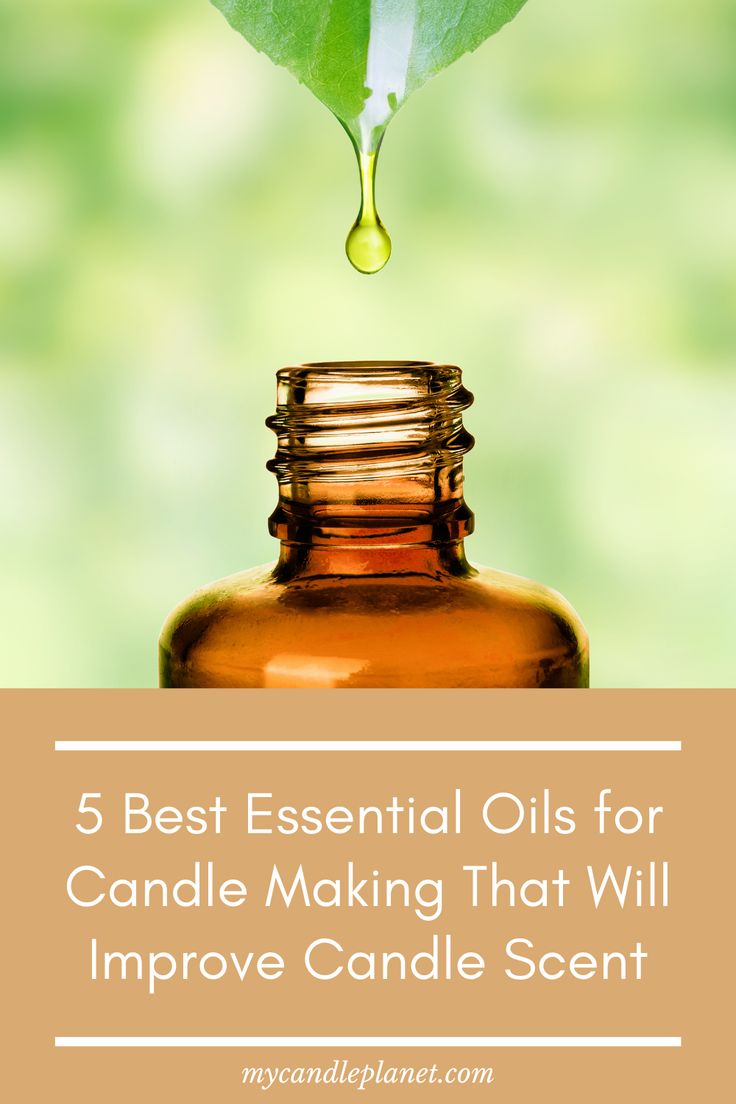


These specialized oils are less about altering the fundamental scent and more about perfecting the physical presentation. They are the tools of the trade for the meticulous craftsman who prioritizes a sleek, glass-like appearance and a stable burn cycle above all else.
Considerations and Safety
While experimenting with different oils can be exciting, safety and traceability must remain paramount. Not all cooking oils are suitable for combustion, and some can produce excessive soot or unpleasant odors when burned.
Always ensure that the oils you select are cosmetic or grade quality if the candle is intended for consumption or sensitive environments. Conduct small test batches to evaluate the melt pool stability and smoke point. This diligence ensures that your final creation not only smells beautiful but burns cleanly and safely in any setting.


Related Articles

Top Essential Oil Diffusers: Best Reviews & Guide
The soothing aroma of essential oils has become an integral part of many households, creating a relaxing atmosphere, improving mood, and even boosting health...

Wayfair's Top-Rated Couches: Best Reviews & Buying Guide
In the quest for the perfect couch, it's easy to feel overwhelmed. With countless styles, fabrics, and features to choose from, where do you even start? Let us...

Top-Rated Wine Cooler Reviews 2018: Best Refrigerators for Your Collection
Experience the perfect temperature for your wine with the best wine coolers of 2018. Whether you're an avid collector or just appreciate a glass of wine with...

Best Oil Filled Radiators: Top Reviews & Buying Guide
On chilly winter days, there's nothing quite like the comforting presence of a radiator to banish the cold. But with so many options available, choosing the...

Best Beach Chair Brands: Ultimate Guide & Reviews
Imagine soaking up the sun, feeling the gentle sea breeze, and the sand between your toes. The perfect beach day isn't complete without a comfortable, reliable...

7 Best 100cm Gas Range Cookers: Reviews & Buying Guide
Considering an upgrade to your culinary space? Look no further than the versatile and sophisticated 100cm gas range cookers. These appliances are not only a...