Unlocking Sustainability: The Ultimate Guide to Aquaponic Drainage Systems
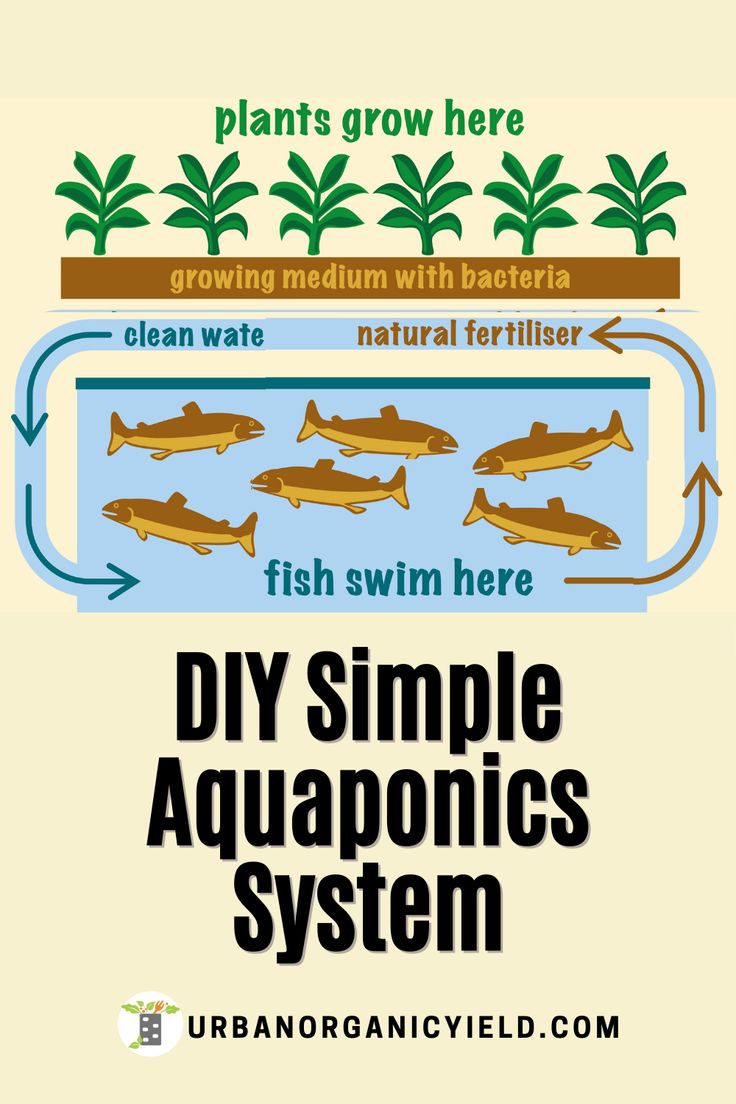
An efficient aquaponic drainage system is the silent workhorse of any successful recirculating setup, managing the vital exchange of water and nutrients between the grow beds and the fish tank. Without a well-engineered drainage mechanism, the risk of root rot, waterlogging, and systemic failure increases dramatically, threatening both plant and fish health. This infrastructure ensures a consistent flow, preventing stagnation while protecting the delicate balance of your ecosystem by allowing oxygenated water to cycle back to the sanctuary of the biofilter.
Understanding the Mechanics of Aquaponic Drainage
At its core, the aquaponic drainage system relies on gravity and siphonic action to move water efficiently. Unlike a simple pump that pushes water, a drain typically pulls water from the grow bed back to the fish tank or sumps. The key component is the standpipe or outlet pipe within the grow bed, which creates a specific water depth limit. Once the grow bed reaches capacity, water flows rapidly down the outlet pipe, creating a siphon effect that empties the bed before gravity breaks the flow and refills it. This cyclical flooding and draining ensure roots receive both moisture and essential oxygen, a cycle that is fundamental to mimicking natural floodplain dynamics.
Media vs. Non-Media Drainage Designs
The configuration of your aquaponic drainage system depends heavily on whether you are using a media-based or non-media setup, such as Nutrient Film Technique (NFT) or Deep Water Culture (DWC). In media-filled beds, the drain is usually positioned at the lowest point, often surrounded by a protective layer of mesh to prevent losing valuable clay pebbles or gravel. For NFT channels, the drainage is a bit more intricate, requiring a flat-bottomed design where the water gently slopes toward a collection basin. This basin houses the drain pipe, ensuring that nutrient-rich film is consistently recycled without leaving behind debris that could clog the system.


The Siphon Factor: Auto vs. Manual Systems
Modern setups almost exclusively utilize auto-siphons, which are highly effective passive devices that require no electricity to operate. These ball-valve systems activate when the water level rises, creating a vacuum that drains the bed completely. Once the water level drops, the valve resets, ready for the next cycle. While bell siphons are a popular choice for media beds due to their reliability, beginners might start with a simpler manual drain system. This involves using a pump timer to fill the beds and then manually unplugging the drain, offering a hands-on learning experience before automating the process.
| System Type | Best For | Complexity Level |
|---|---|---|
| Auto-Siphon (Media Bed) | Deep Water Culture & Media Beds | Medium |
| Bell Siphon (Media Bed) | High Media Volume Systems | High |
| NFT Drainage Channel | Lettuce & Herbs | Medium |
| Manual Pump Drain | Beginner Setups | Low |
Avoiding Common Drainage Pitfalls
Even the most well-planned aquaponic drainage system can run into issues if not properly maintained. One of the most frequent problems is an oversized or unstable standpipe, which can lead to rapid, inconsistent draining that stresses the biofilter. Clogging is another critical enemy; solid waste from the fish can accumulate in the drain lines if fine filter socks are not used. Ensuring the outlet pipe is significantly larger than the inlet pipe is a standard rule of thumb, as this prevents backups and ensures the siphon can handle high-volume events without overflowing the grow bed.


Optimizing for Root Health and Oxygenation
The ultimate goal of your drainage strategy should be root health, which is a direct result of oxygen availability. A fast-draining system ensures that roots are not sitting in saturated media for extended periods, which creates an anaerobic environment conducive to harmful bacteria. By allowing the beds to drain thoroughly, you guarantee that fresh oxygen can penetrate the root zone during the flood phase. This oxygen-rich environment promotes vigorous root growth, allowing the plants to uptake nutrients efficiently and support the fish that power the entire cycle.
Long-Term Maintenance and System Integrity
To keep your aquaponic drainage system functioning at peak performance, regular inspection is non-negotiable. You should routinely check for cracks in PVC pipes, ensure the standpipe fitting is secure, and verify that the siphon ball is moving freely without debris. Seasonal changes can impact water viscosity and pump performance, so adjusting the flow rate might be necessary to maintain the ideal flood and drain rhythm. By treating the drainage infrastructure with the same care as the biological components, you create a resilient system capable of delivering consistent yields year-round.




Related Articles

Best Grow Systems: Ultimate Hydroponic & Aquaponic Setup Guide
In the ever-evolving world of horticulture, efficient and innovative grow systems are reshaping how we cultivate both plants and crops. These systems not only...

The Ultimate Guide to Landscape Drainage Systems: Types, Benefits, and Installation
Effective landscape drainage is the unseen infrastructure that protects your property from water damage. Without a well-designed system, rainwater and...

The Ultimate Guide to Drain Tile Systems: Boost Drainage & Prevent Flooding
At its core, a drain tile system is a engineered solution designed to manage groundwater and redirect excess water away from a specific area. Often...

How Does a Basement Floor Drain Work? The Ultimate Guide to Basement Drainage Systems
At its core, a basement floor drain is a critical safety and maintenance feature designed to manage unwanted water accumulation. You typically find this round...

Maximize Aesthetics & Safety: The Ultimate Guide to Stair Cladding Systems
Ever dreamed of transforming your staircase from drab to fab? Enter the world of stair cladding systems , a game-changer in modern home renovation. But first...

"The Ultimate Garden Guide: Unlocking Beauty in Coral Gables"
The mere mention of Coral Gables often brings to mind spans of lush, scenic greenery—a stark contrast to the bustling lifestyle of Miami. The city's commitment...