3-Season Flower Garden: Blooming Beauty Year-Round
Imagine transforming your outdoor space into a vibrant, ever-changing canvas of blooms, ready to greet you each season. A three-season flower garden, designed to flourish from spring to fall, is not only a visually stunning approach to landscape design, but also an eco-friendly and low-maintenance one. Let's delve into creating a charming, long-lasting, and SEO-friendly guide for your three-season flower garden.
By carefully selecting plants that bloom in sequence rather than simultaneously, you can enjoy a plethora of colors and textures throughout the growing season. Moreover, a thoughtfully planned three-season garden supports local pollinators, enhances curb appeal, and adds value to your property.
Choosing the Right Plants for Your Three-Season Flower Garden
First, let's breakdown the art of selecting the perfect plants for a three-season flower garden. Consider plants that are native to your region, as they're hardier and require less water and maintenance. Secondly, opt for a mix of early, mid, and late bloomers to ensure your garden's visual interest persists from April to October.

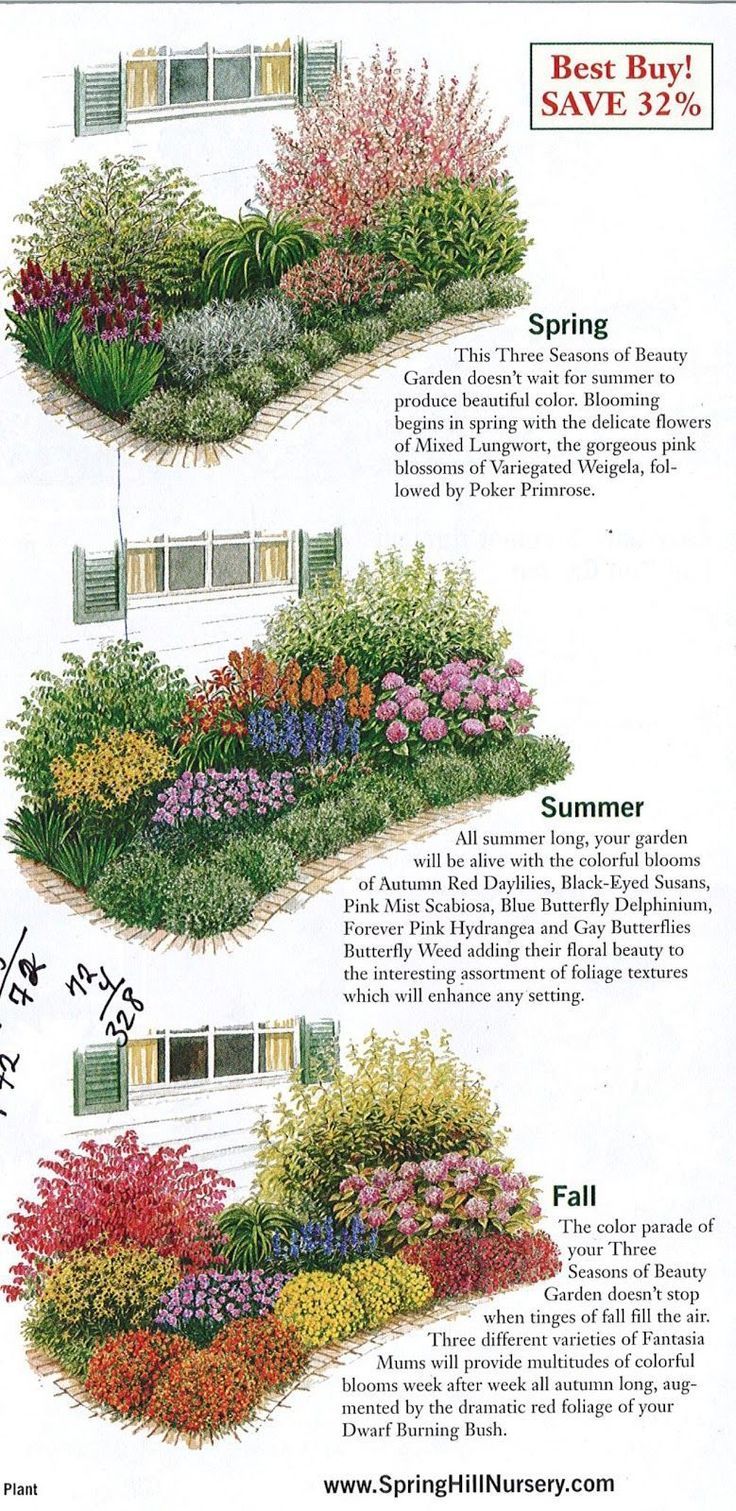

Spring Bloomers: The Early Birds
Spring-blooming flowers set the stage for the showstopper that follows. Bulbs like tulips, daffodils, and hyacinths burst onto the scene in early spring, while perennials like bleeding hearts and violets follow suit. These plants put on a delightful display before relocating underground, making way for summer bloomers.
Summer Stars: The Headliners
As soon as the mercury starts to rise, summer-blooming flowers take center stage. Daylilies, catmint, black-eyed Susans, and coneflowers are not only sun-loving showstoppers but also magnets for beneficial pollinators. These tough, reliable plants withstand the heat and require minimal care.


Designing Your Three-Season Flower Garden Layout
At the core of a successful three-season garden is a well-thought-out design. Consider the size of your garden, sunlight exposure, and long-term growth patterns of your plants when plotting your space. For a cohesive look, group plants with similar water and light needs together.
Layering for Visual Interest
Create depth and movement in your garden by layering plants of varying heights and textures. Tall, upright plants like hollyhocks and delphiniums make splendid background features, while shorter, mounding plants like sedums and creeping thyme provide foreground interest. Place medium-height plants like coreopsis and asters in between to complete the layered effect.
Color Schemes: Unifying Your Garden
Combat the common pitfall of an exploding rainbow of colors by selecting a harmonious color palette. A monochromatic or analogous color scheme can create a cohesive look, making your garden feel more put-together and less chaotic. Neutral foliage plants, like artemisia and ornamental grasses, provide a solid foundation for your garden's vibrant hues.


In essence, crafting a three-season flower garden is an art that combines science and creativity. Start with careful plant selection and layout design, then let nature work its magic. With the right combination of plants and a little foresight, your garden will offer a breathtaking spectacle of bloom from spring through fall. Happy gardening!

Related Articles

"Green Peas Flower: Blooming Beauty in Your Garden"
Have you ever wondered about the mysterious relationship between peas and flowers? You're not alone. Green peas are renowned as a nutritious vegetable, but...

Purple Lantern Flower: Enchanting Beauty for Your Garden
The Purple Lantern Flower, also known as Clerodendrum wallichii , is a captivating plant species native to Southeast Asia, revered for its stunning...

Tiger Flower Bulbs: Add Fierce Beauty to Your Garden
Nestled in the heart of the tiger lily family, you'll find the tiger flower bulb, a captivating blend of resilience and beauty. These aren't just ordinary...

Daisy Flower Care: Secrets for Blooming Beauty
Nothing says "spring has arrived" quite like the cheerful daisy. These vibrant, low-maintenance flowers are a joy to have in any garden or bouquet. But like...

Early Summer's Blooming Beauty: Top Flowers to Brighten Your Garden
The arrival of early summer brings a vibrant display of flowers, each one a cheerful harbinger of the warm days ahead. Their colors brighten our landscapes...

Verbena Flower Colors: A Spectrum of Blooming Beauty
Imagine strolling through a vibrant garden, a symphony of colors painting the landscape. Among the myriad of blooms, one flower stands out with its...